Slides
Powerful ideas, one slide at a time. A curated collection of concepts worth remembering.
Powerful ideas, one slide at a time. A curated collection of concepts worth remembering.
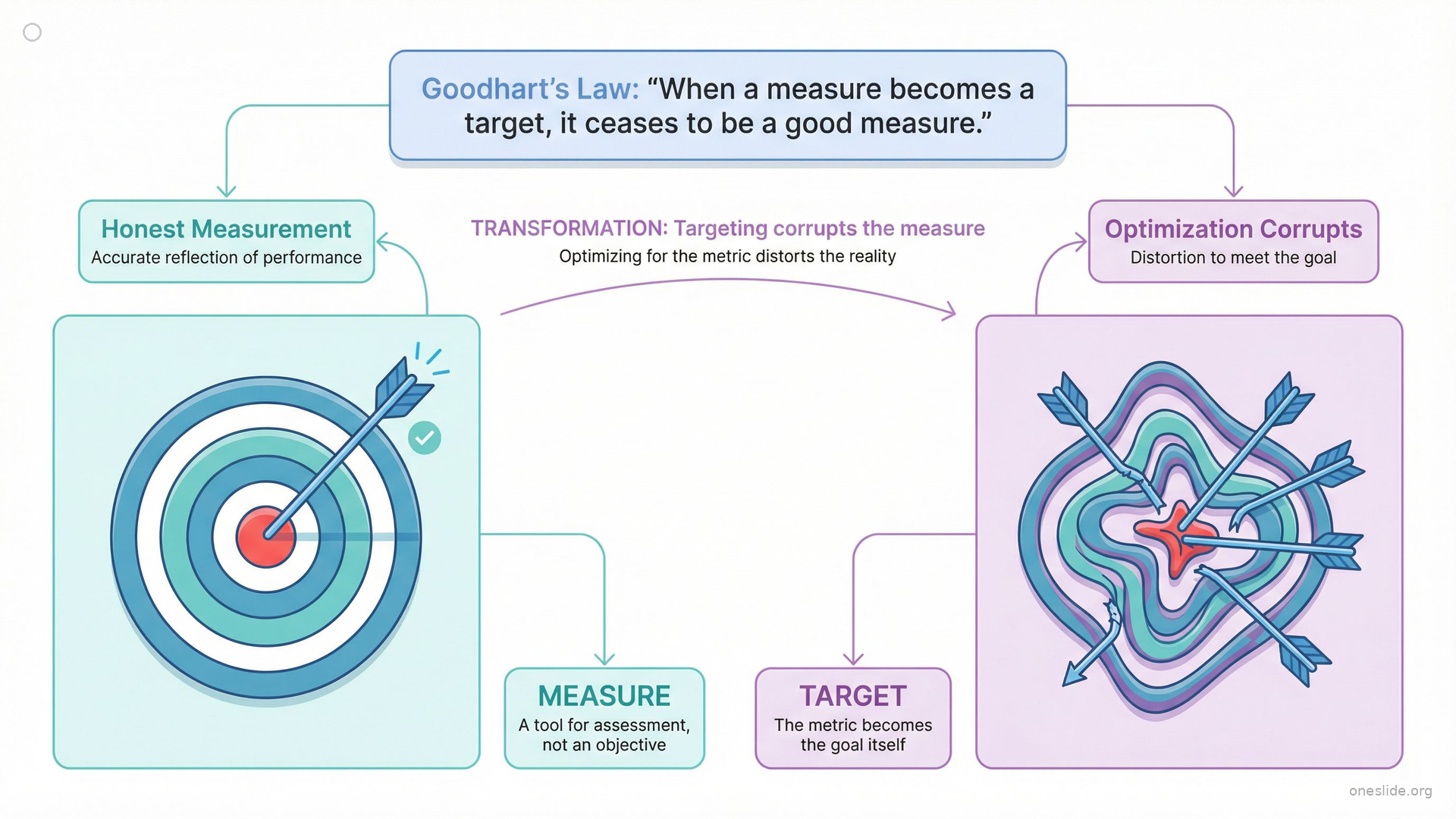
Not about archery — about any metric in any system. When you measure something to understand it, it stays true. The moment that measure becomes the target to optimize, it warps. Test scores stop reflecting learning. KPIs stop reflecting performance. The map eats the territory. Optimization corrupts the very thing it measures.
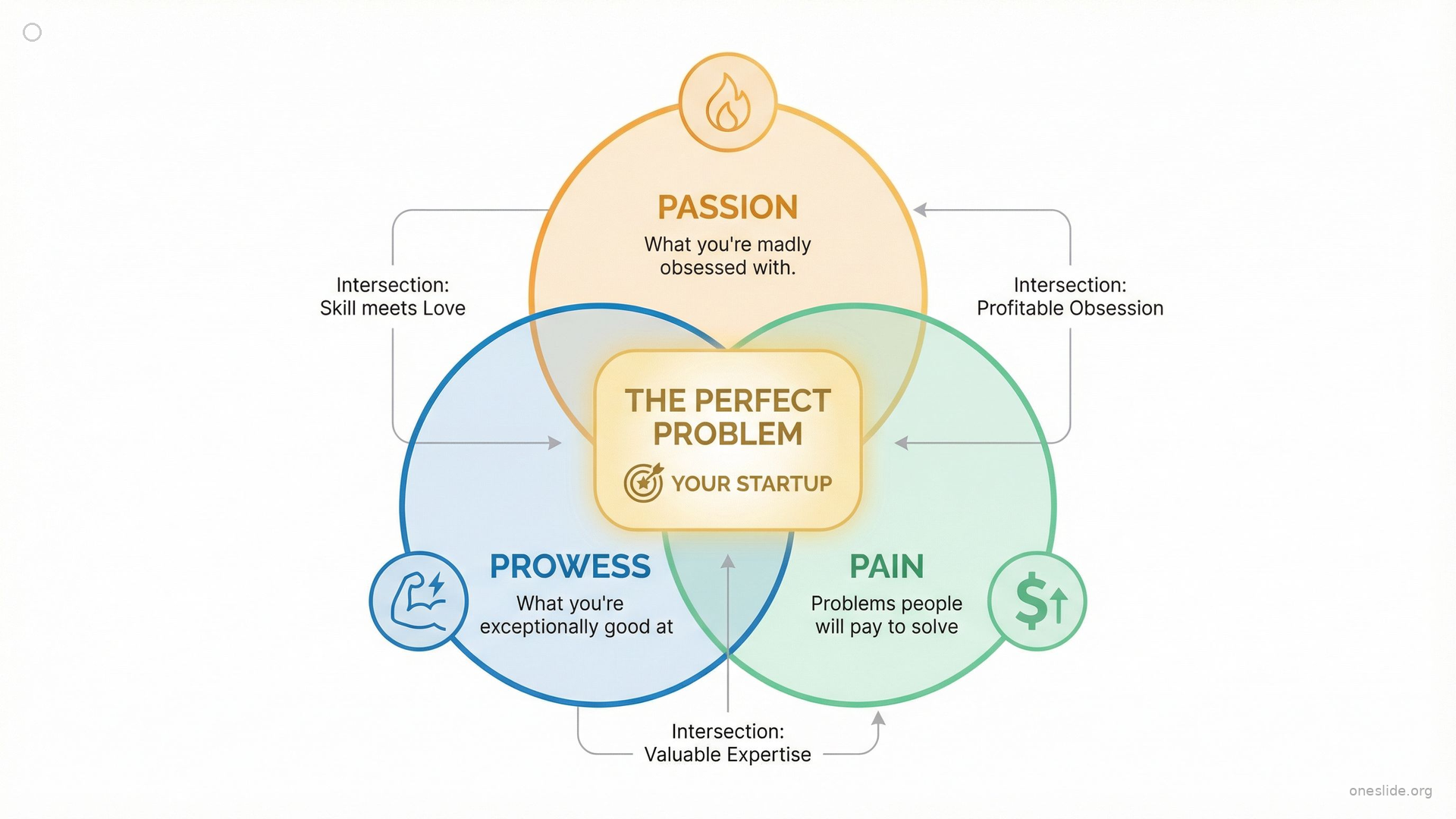
The ideal startup problem lives at the intersection of three circles - your Passion (what you're obsessed with), your Prowess (what you're great at), and real Pain (what people will pay to solve). A hobby lives in one circle. A career in two. A startup needs all three.
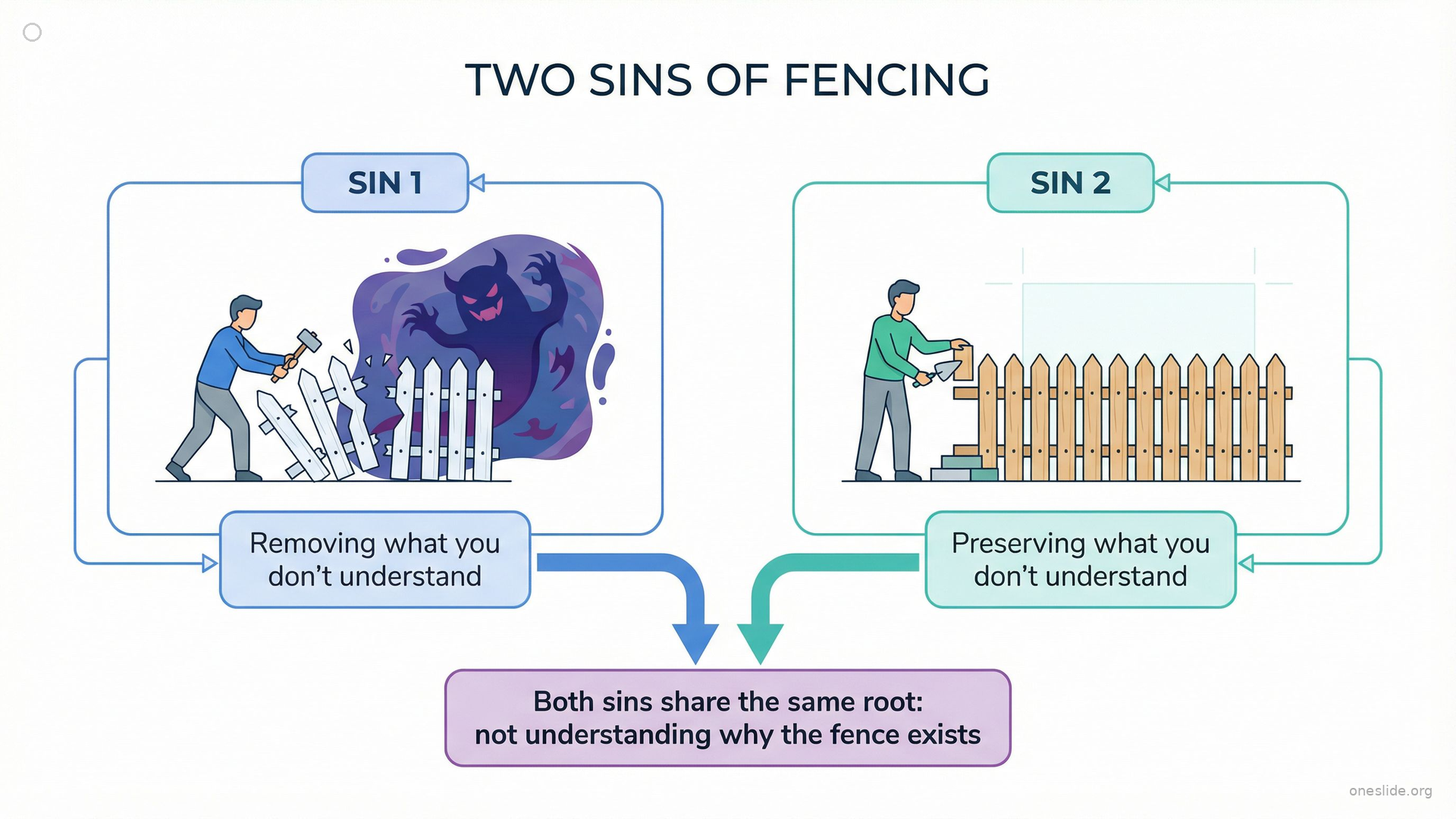
Not physical fences — constraints on any system. Chesterton warned against tearing down a fence before understanding why it was built. But there's an equal and opposite sin: preserving a fence without questioning if it's still needed. One attack releases danger; one defense blocks opportunity. Both sins share the same root — acting without understanding.
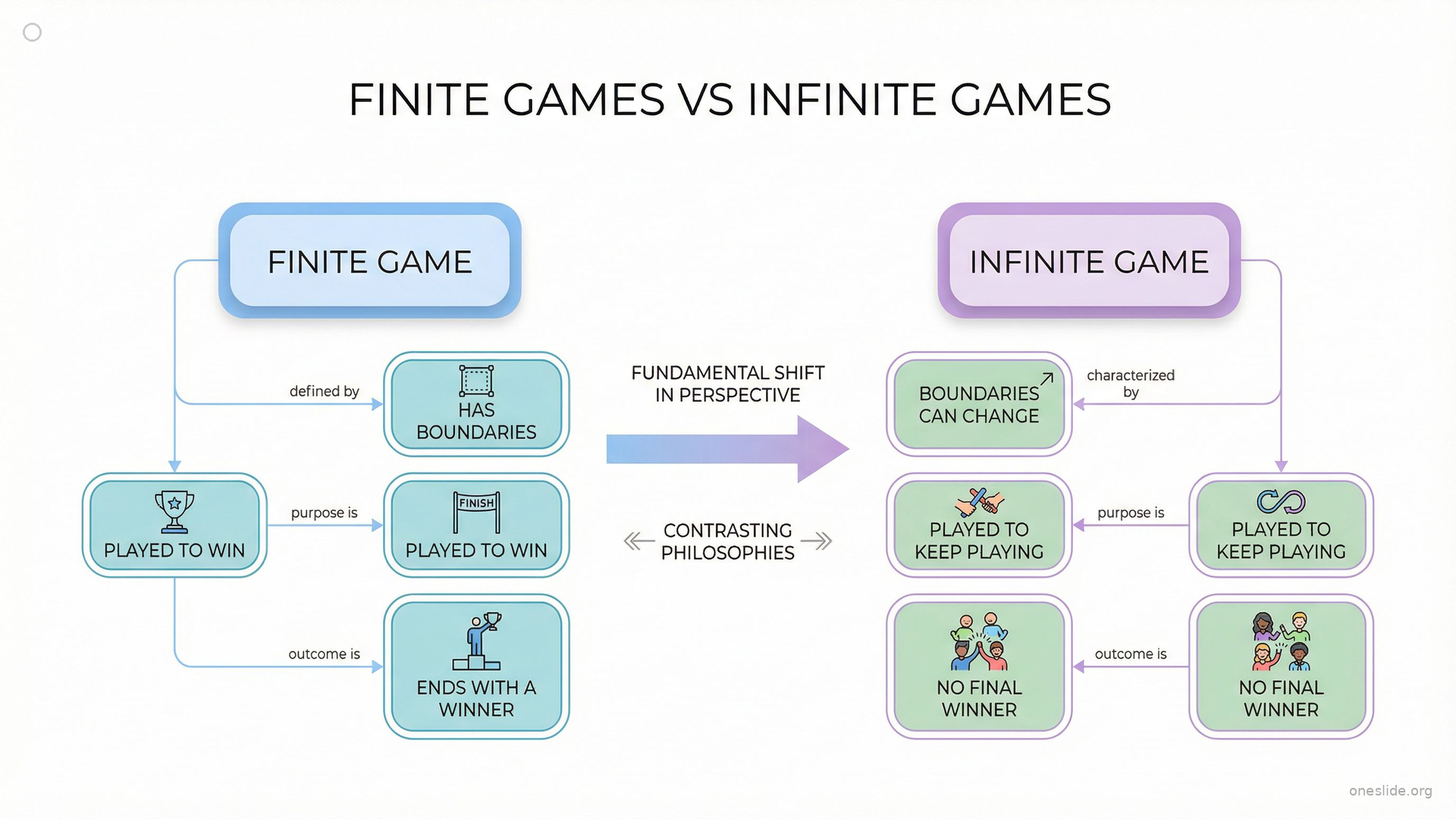
Finite games are played to win. Infinite games are played to keep playing. The goal shifts from victory to continuation, from defeating opponents to including them in the ongoing play.
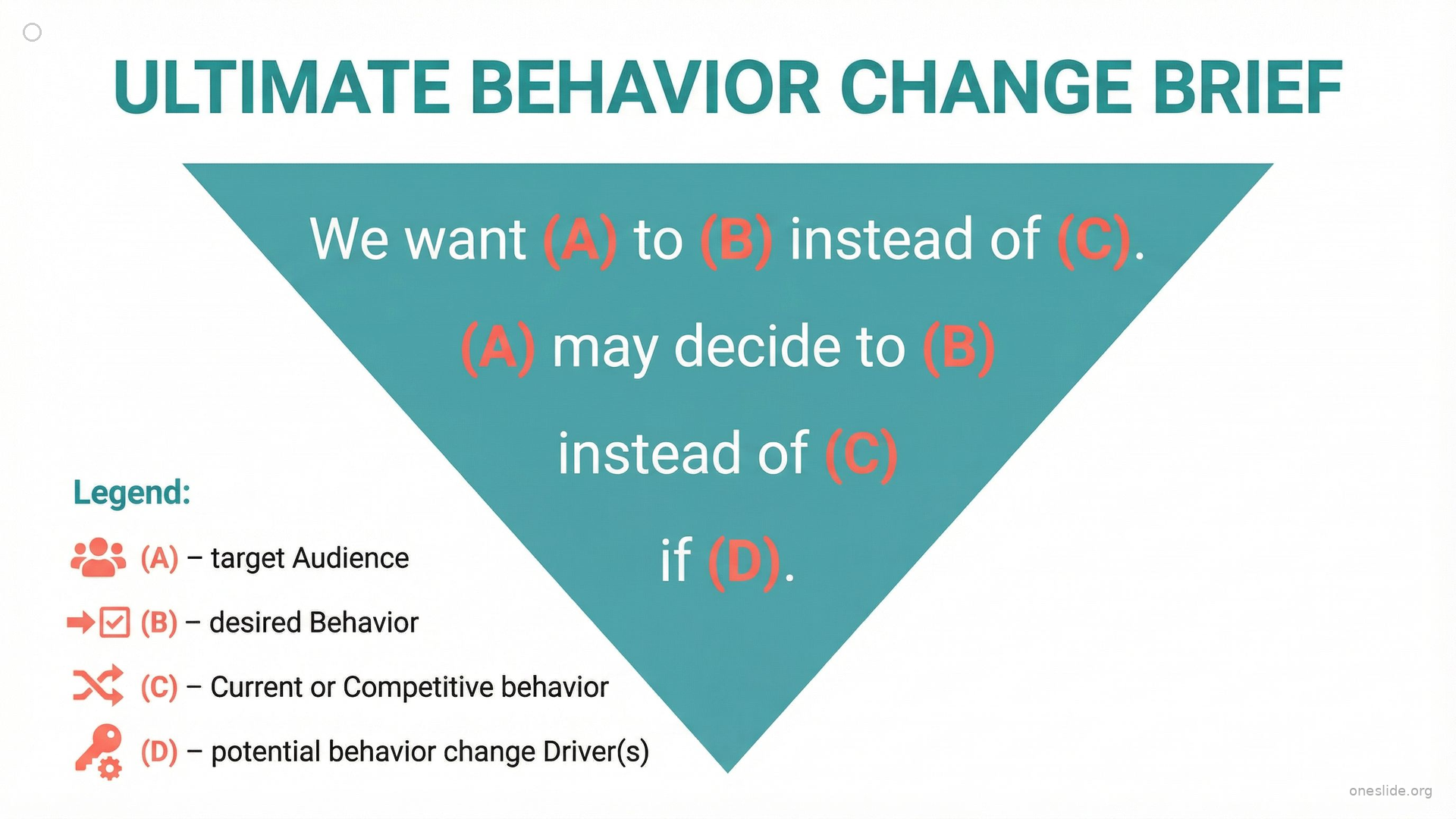
The ultimate behavior change brief, distilled from years of planning work. A framework for understanding what drives people to change: their current behavior, the behavior you want, what's in their way, and how to bridge the gap.
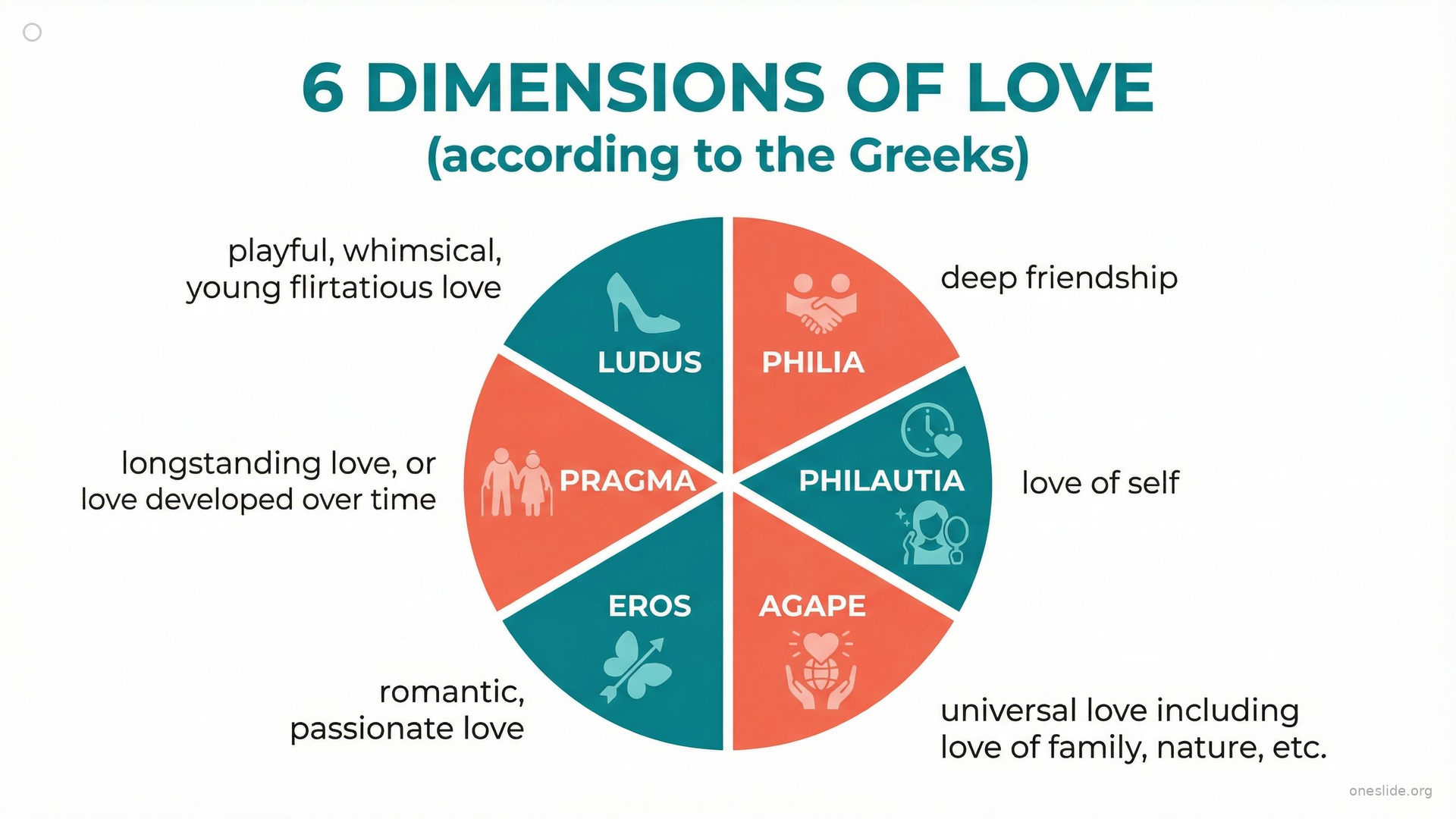
A good reminder that you might have more reasons for love than you think. The ancient Greeks identified six types: Eros (romantic), Philia (friendship), Storge (family), Agape (universal), Ludus (playful), and Pragma (enduring). Each a different dimension of the same profound human experience.
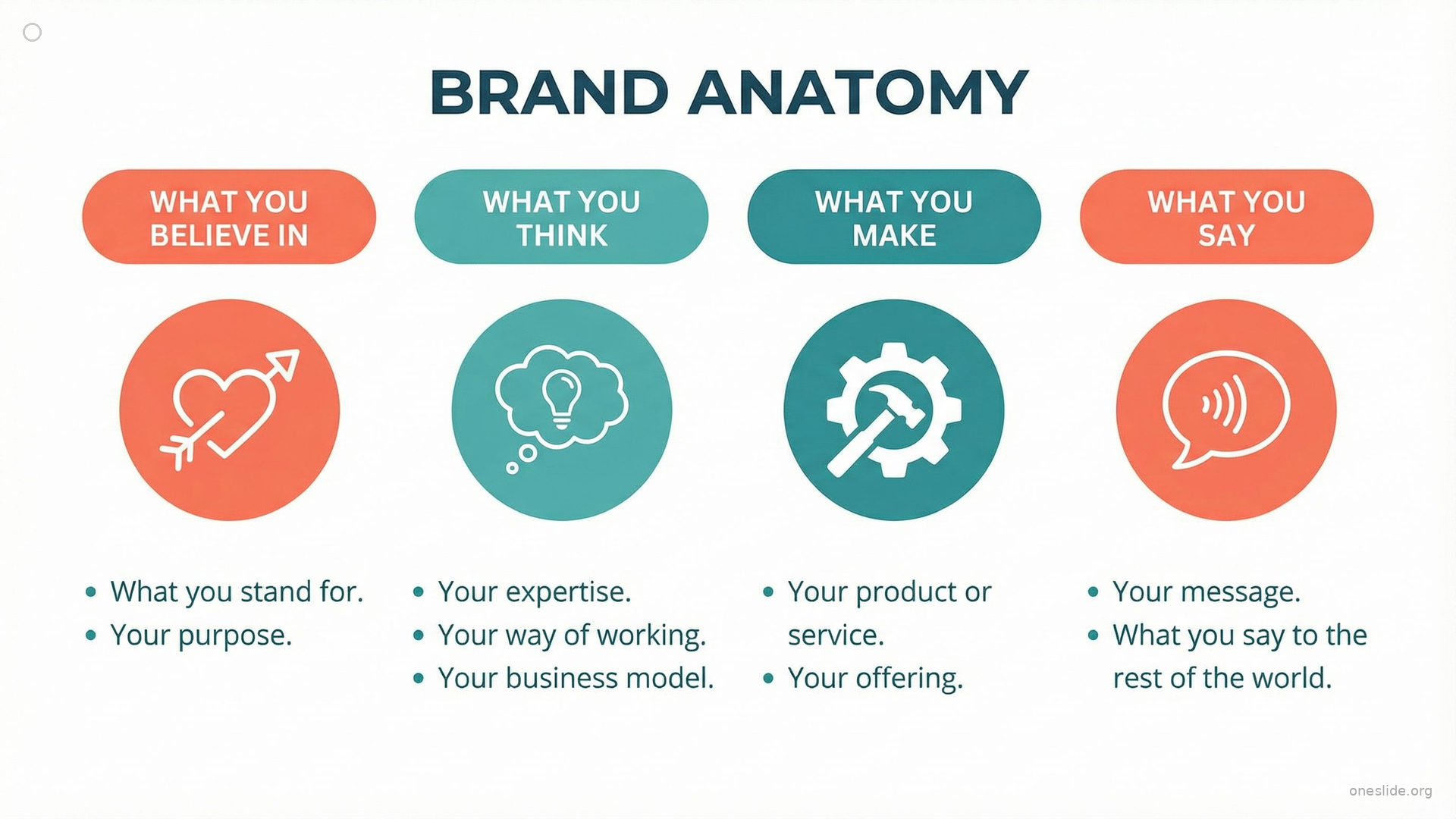
A modern person can feel one thing, think another, and say something else altogether. Brands are similar — they have what they truly are (core identity), what they project (brand expression), and how they're perceived (brand image). The anatomy of a brand spans all three.
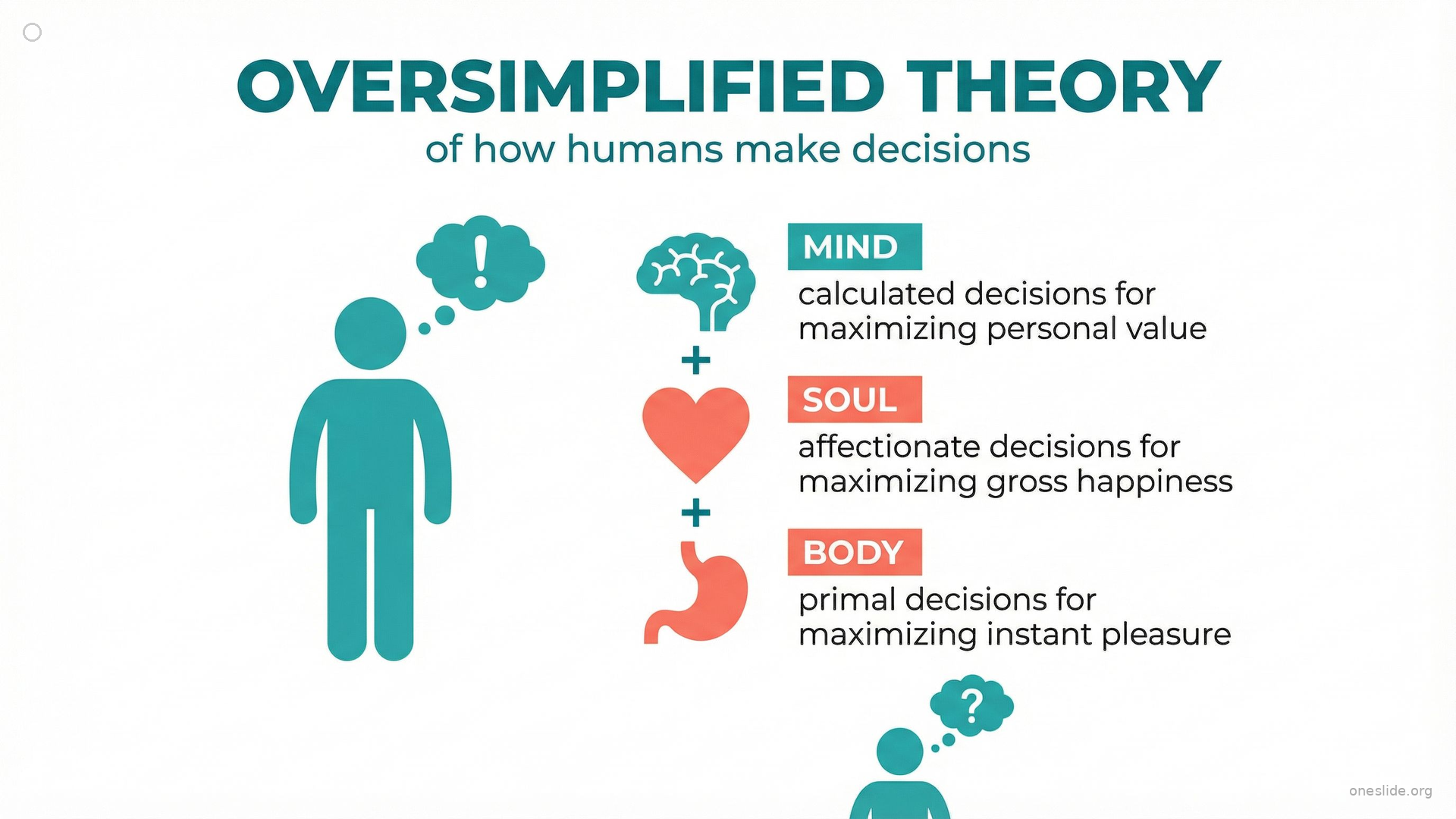
Traditional economists think we make only rational decisions, driven entirely by brain calculations. That's obviously far from true. A better model accounts for the fact that we have two more things beyond the brain: the heart (emotions) and the gut (instinct). All three influence our choices.
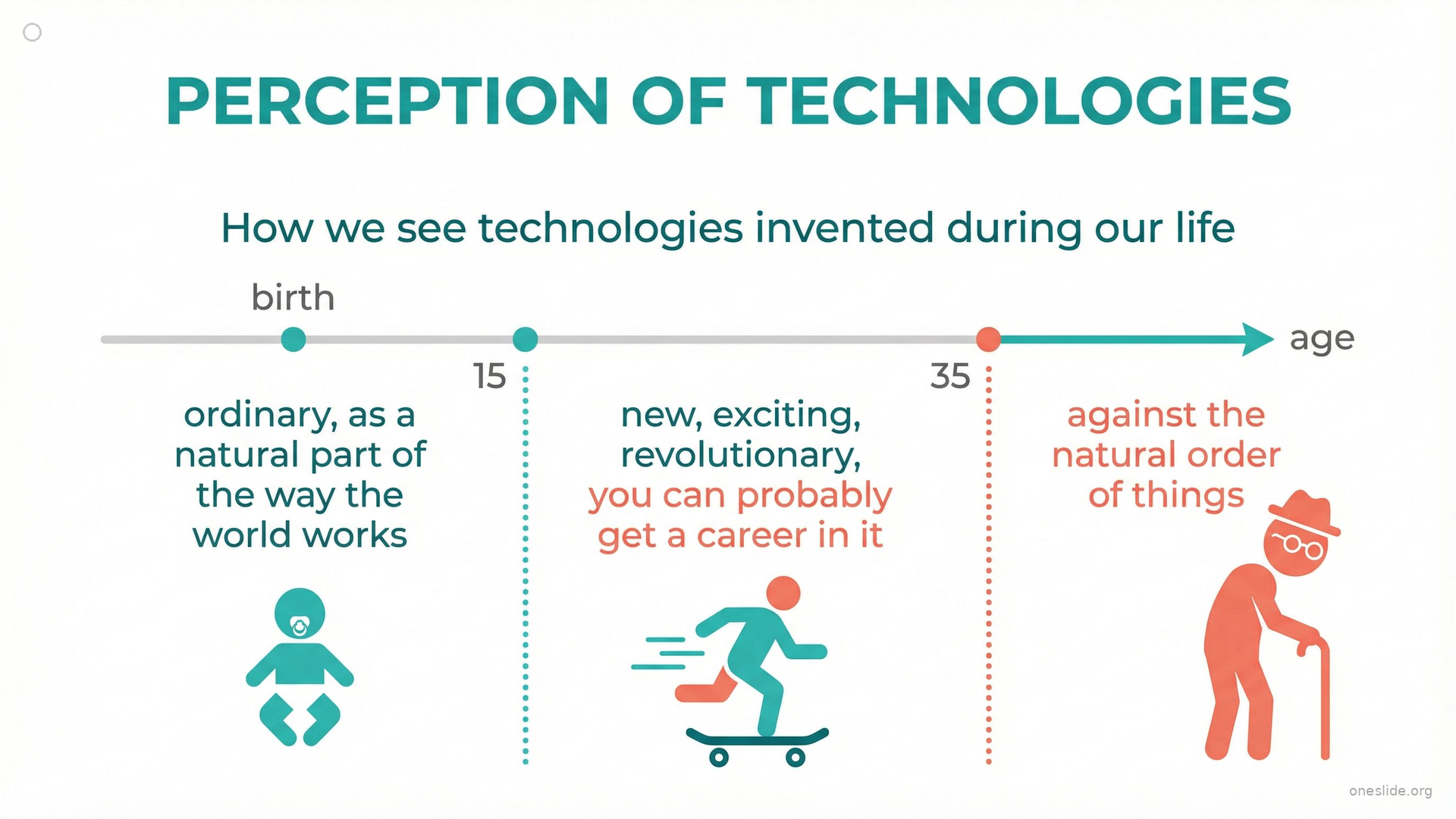
Douglas Adams' rules for how we react to technologies: 1) Anything there when you're born is normal. 2) Anything invented between ages 15-35 is exciting and you can make a career of it. 3) Anything invented after you're 35 is against the natural order of things.
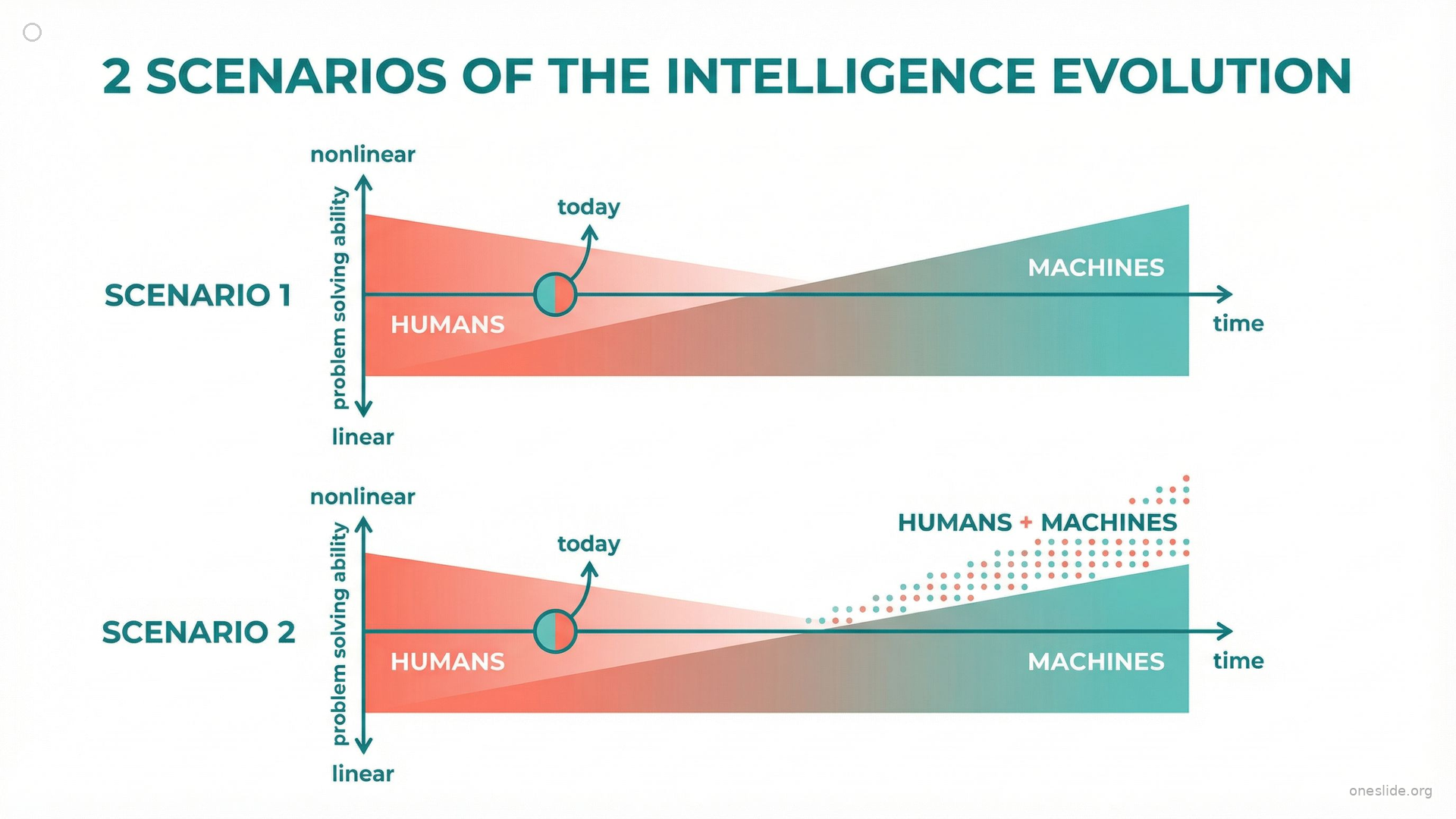
Will AI take your job in the next 20 years? It's a misleading question presenting a false dilemma. The answer is more subtle — somewhere in between. No matter your job, parts of it will be automated while new aspects emerge. Two scenarios for how intelligence evolves alongside us.
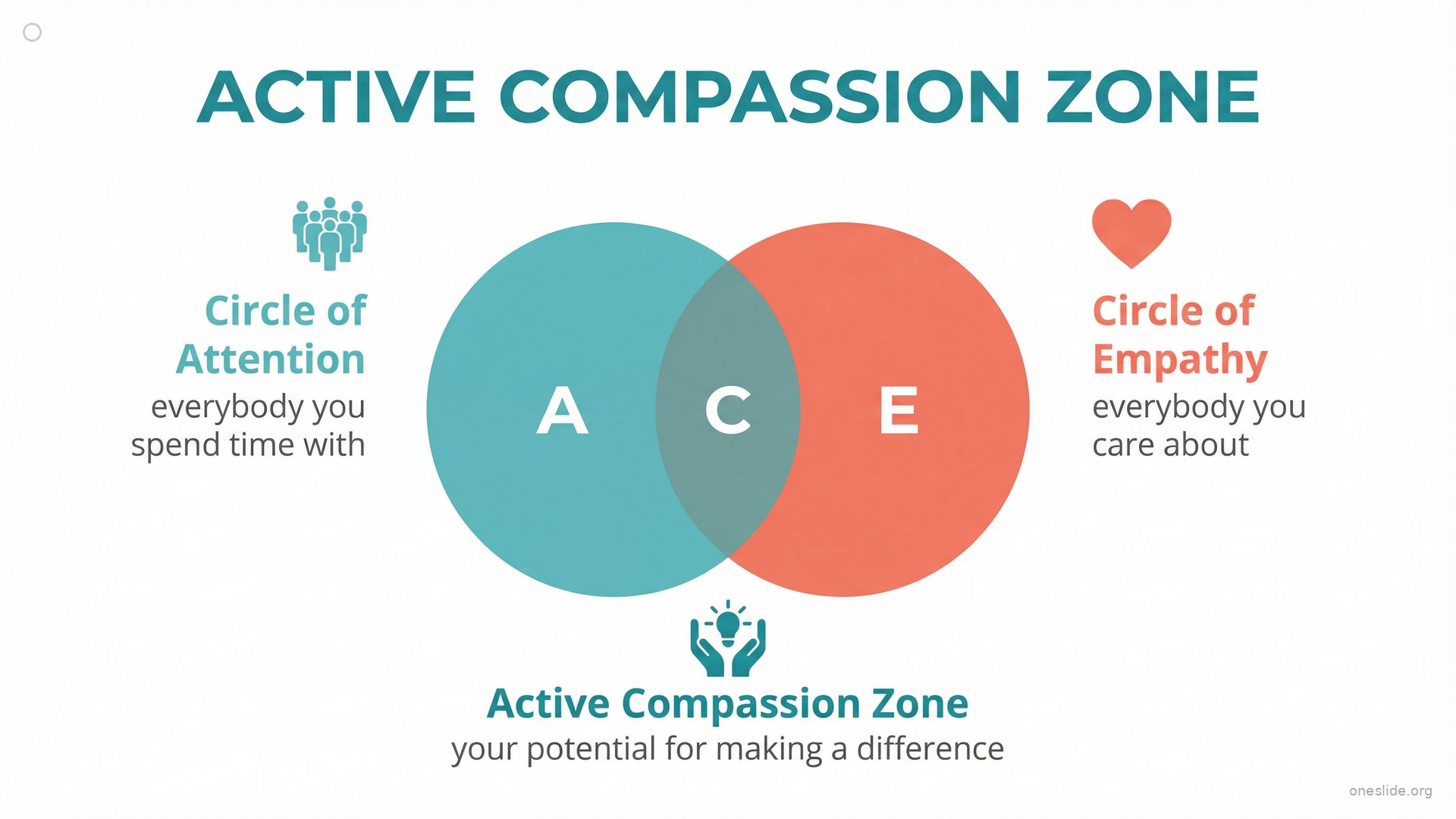
Inspired by Jaron Lanier's "Circle of Empathy" — there are things and people you care about, and things you don't. The active compassion zone is where empathy meets action. It's not just feeling for others, but doing something about it.
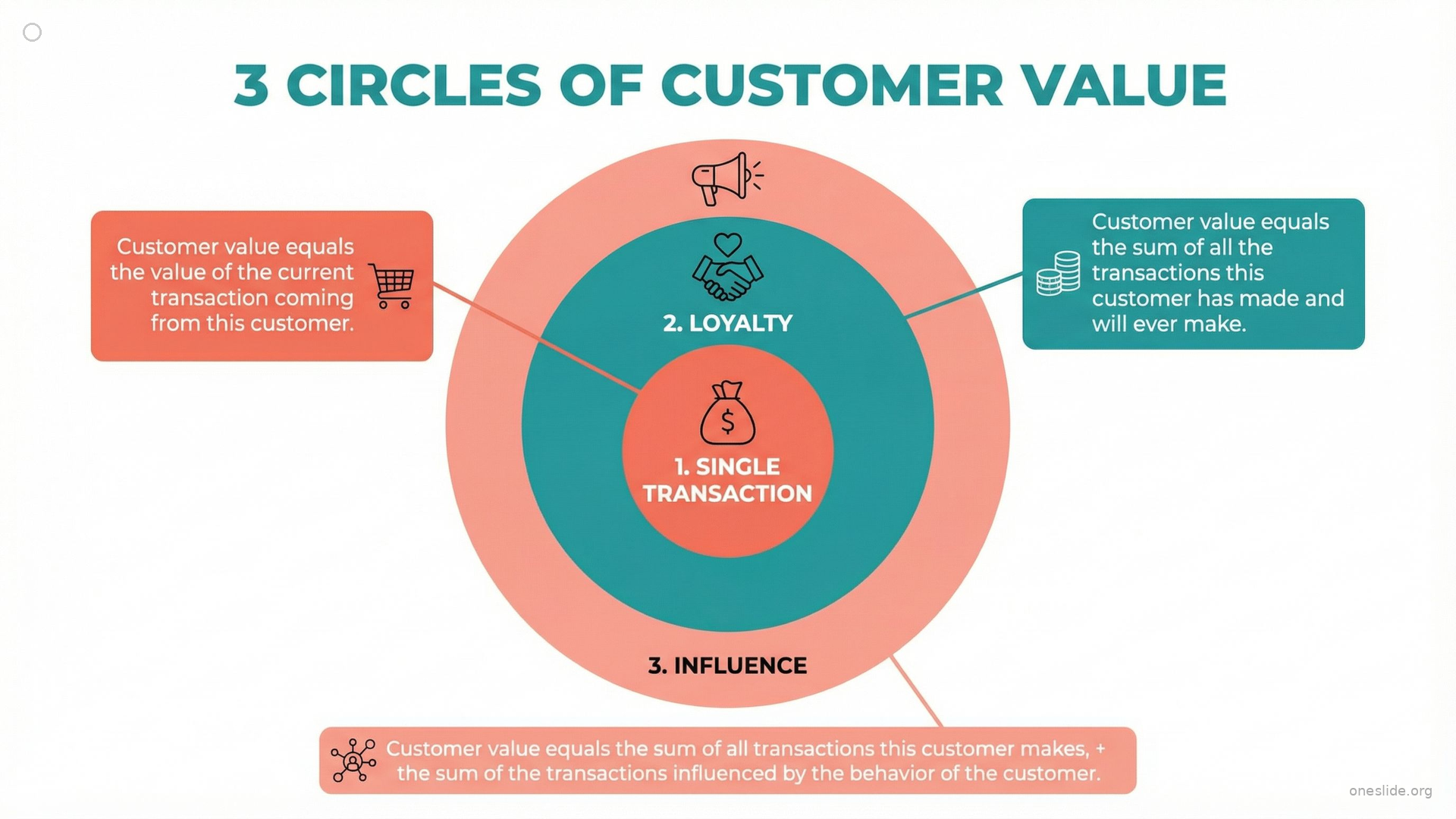
Imagine you own a small restaurant and a guy walks in for soup. There are 3 horizons to think about his value: the profit from this transaction, the lifetime value if he returns, and the network value if he brings others. Three expanding circles of customer value.
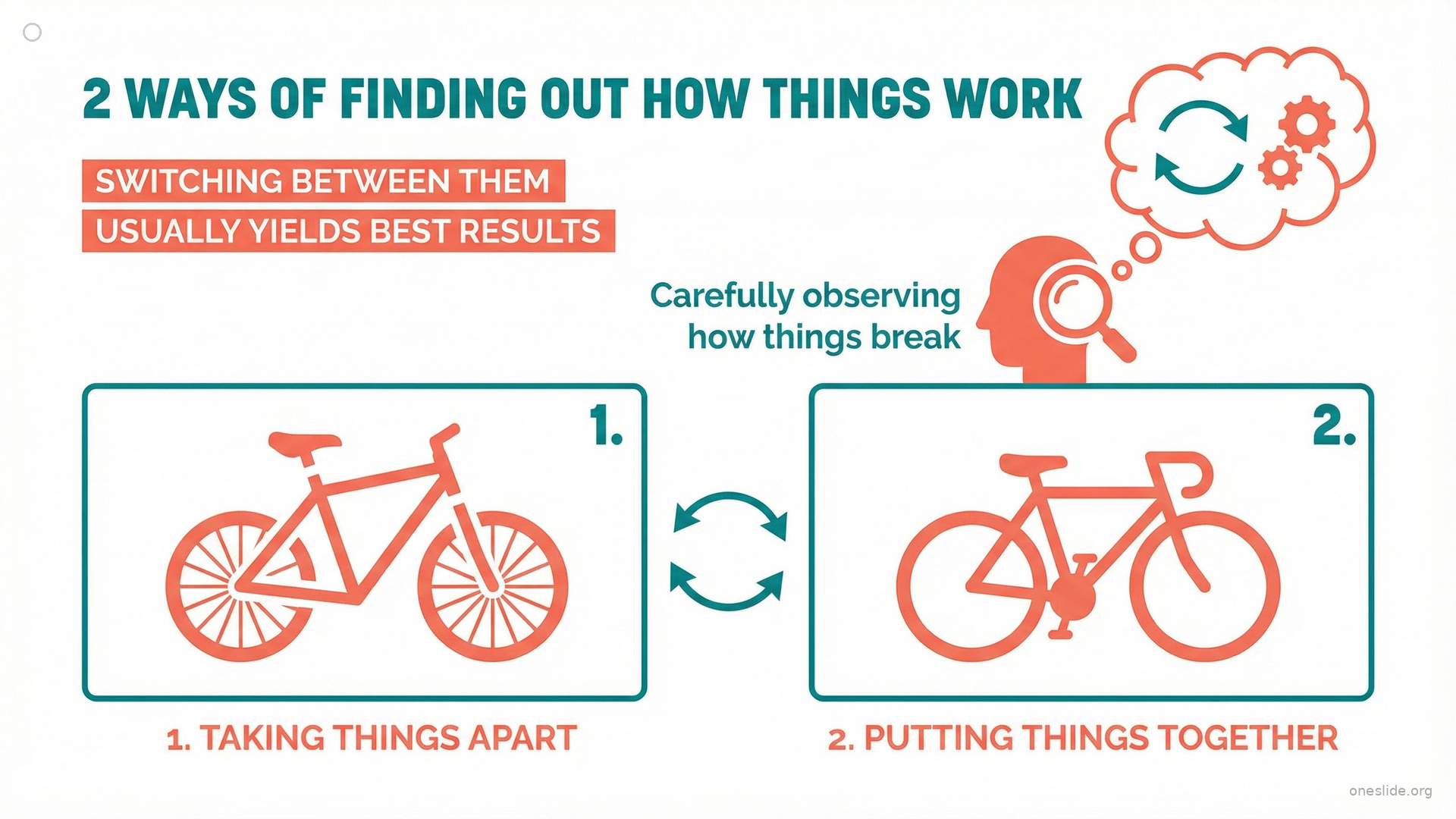
One of the greatest pleasures in life is finding things out — especially finding how things work. There are two general strategies for active learning: deduction (theory to practice) and induction (practice to theory). Passive learning is different and dramatically less effective.
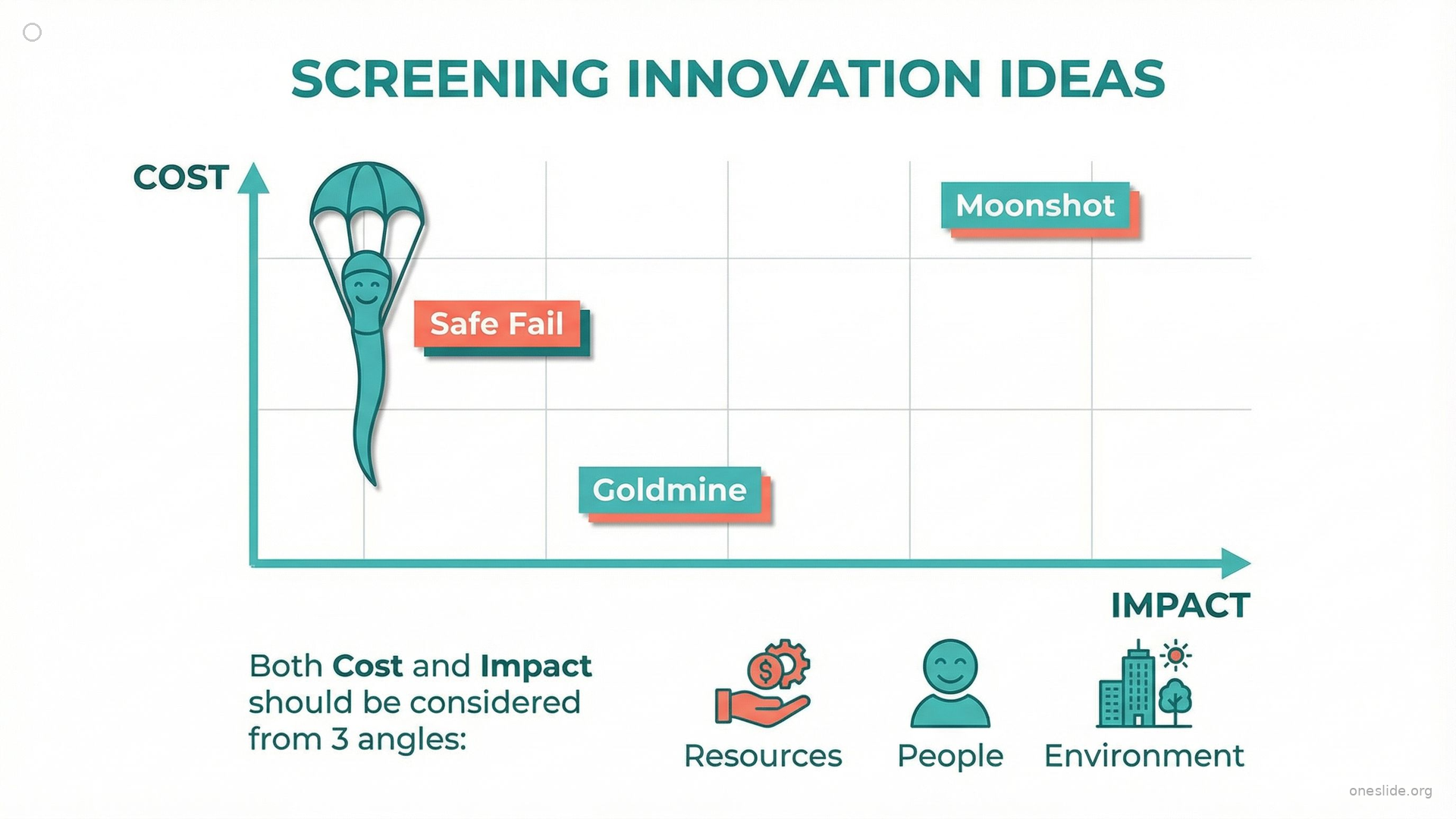
Innovation ideas are infinite. Selecting the right ones to pursue is hard. Cost-Impact screening is a useful way of thinking about which ideas to go for. Both should be considered from 3 angles: Resources, People, Environment. Go for maximum positive impact and minimum cost.
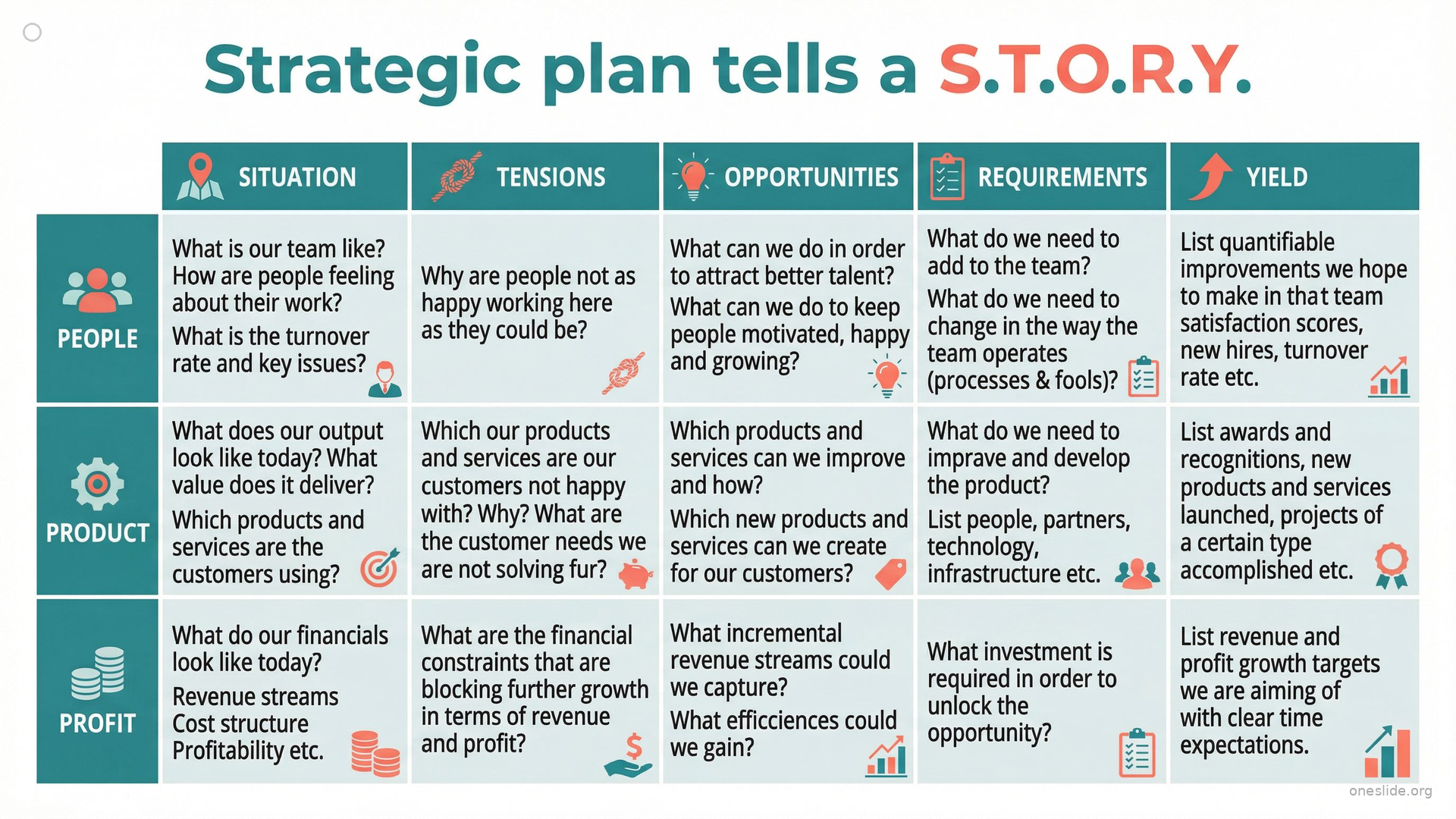
A brief summary of what a good strategic plan should outline. Review your plan from three "P"s: People, Project, and Profit. From each side, define the S.T.O.R.Y.: Situation, Tension, Options, Resolution, Your role.
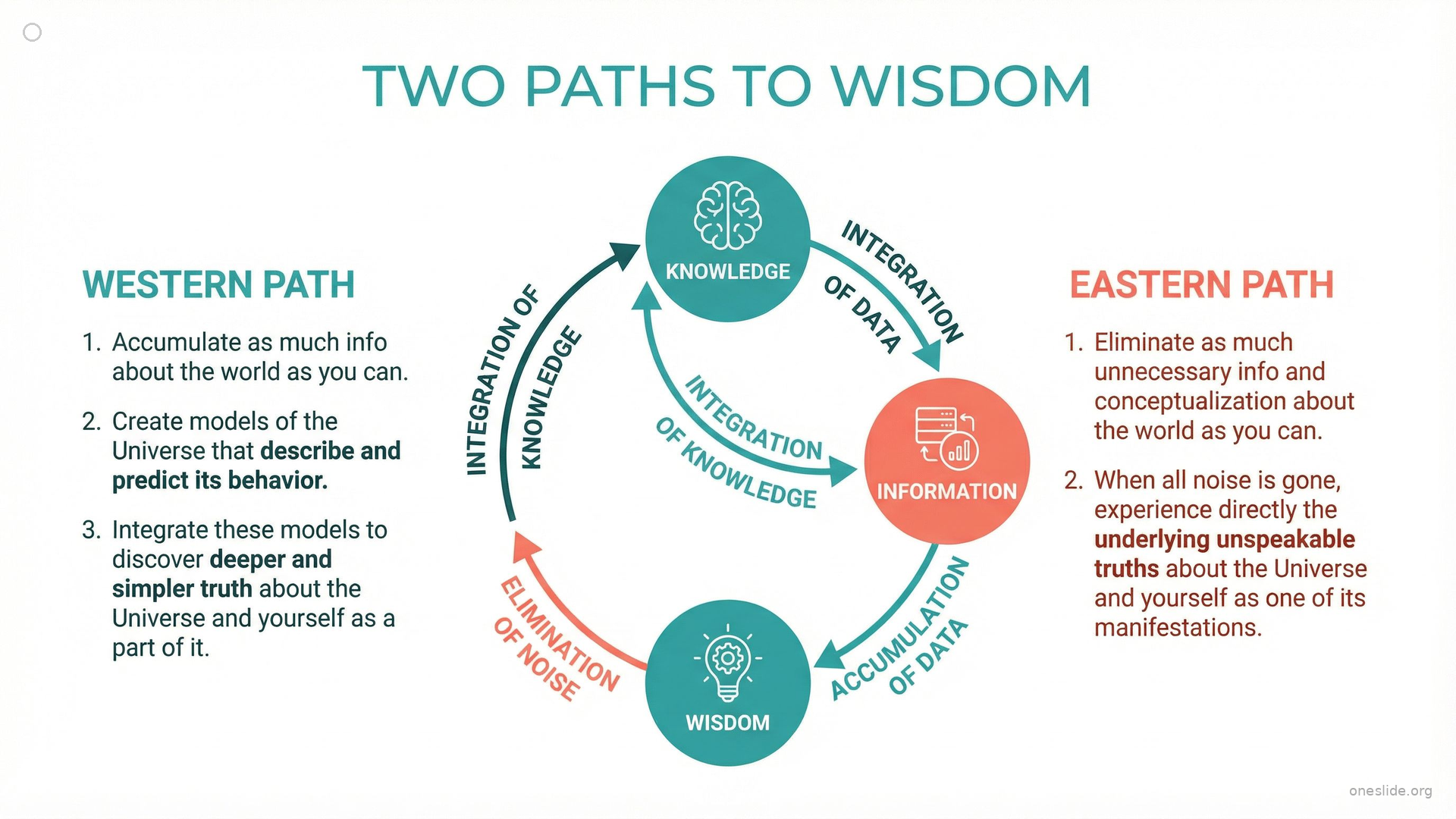
Wisdom as an intuitive understanding of the deep yet simple underlying truths of life, the universe, and everything. There are two paths to get there — and understanding which path you're on helps navigate the journey.
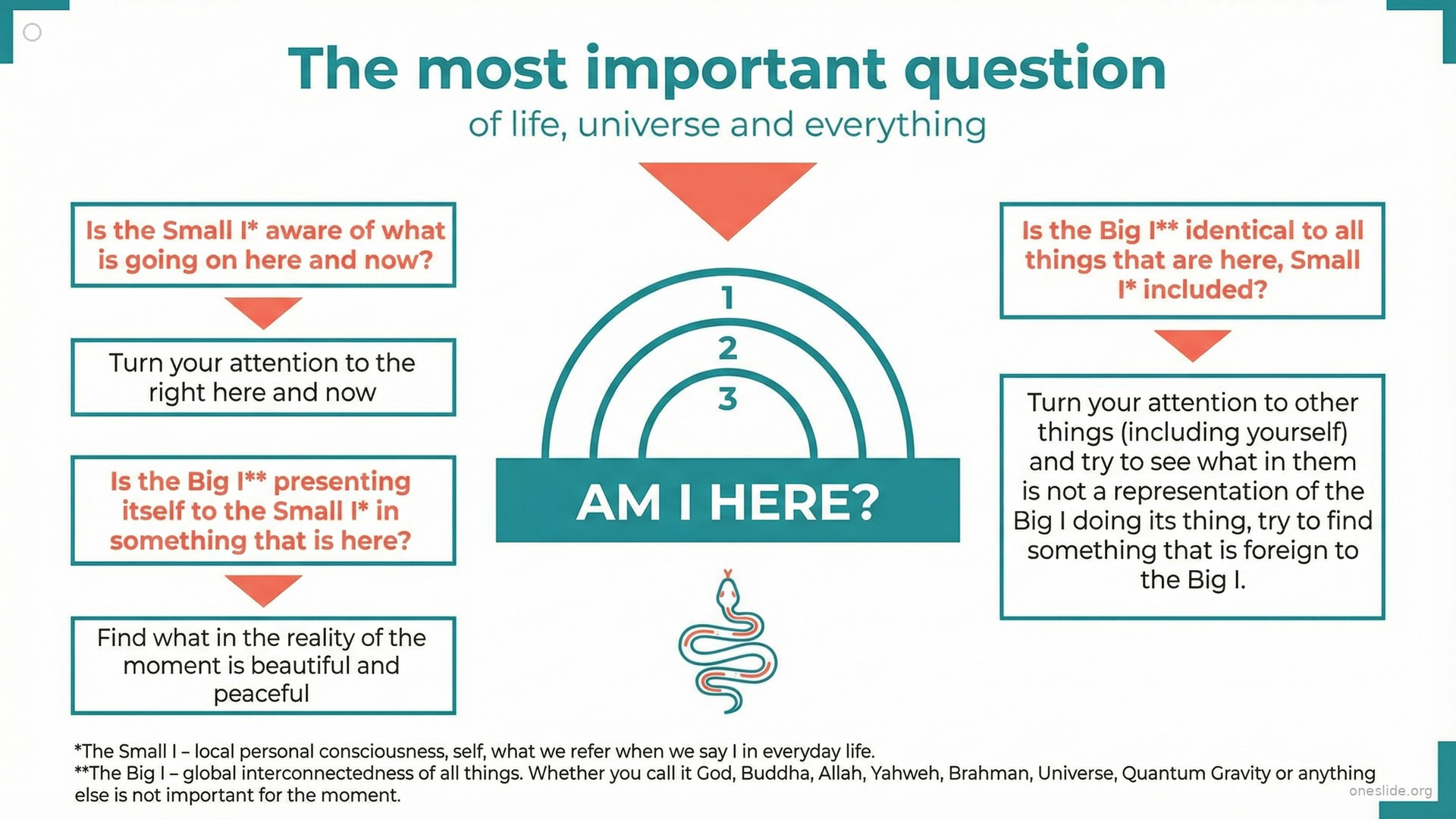
While the content is metaphysical, the intent is very practical. This question is presented not as a fundamental truth, but as a therapeutic method. It is meant to be practiced, not pondered — and as a therapeutic tool, it can help cut through the noise of daily existence.
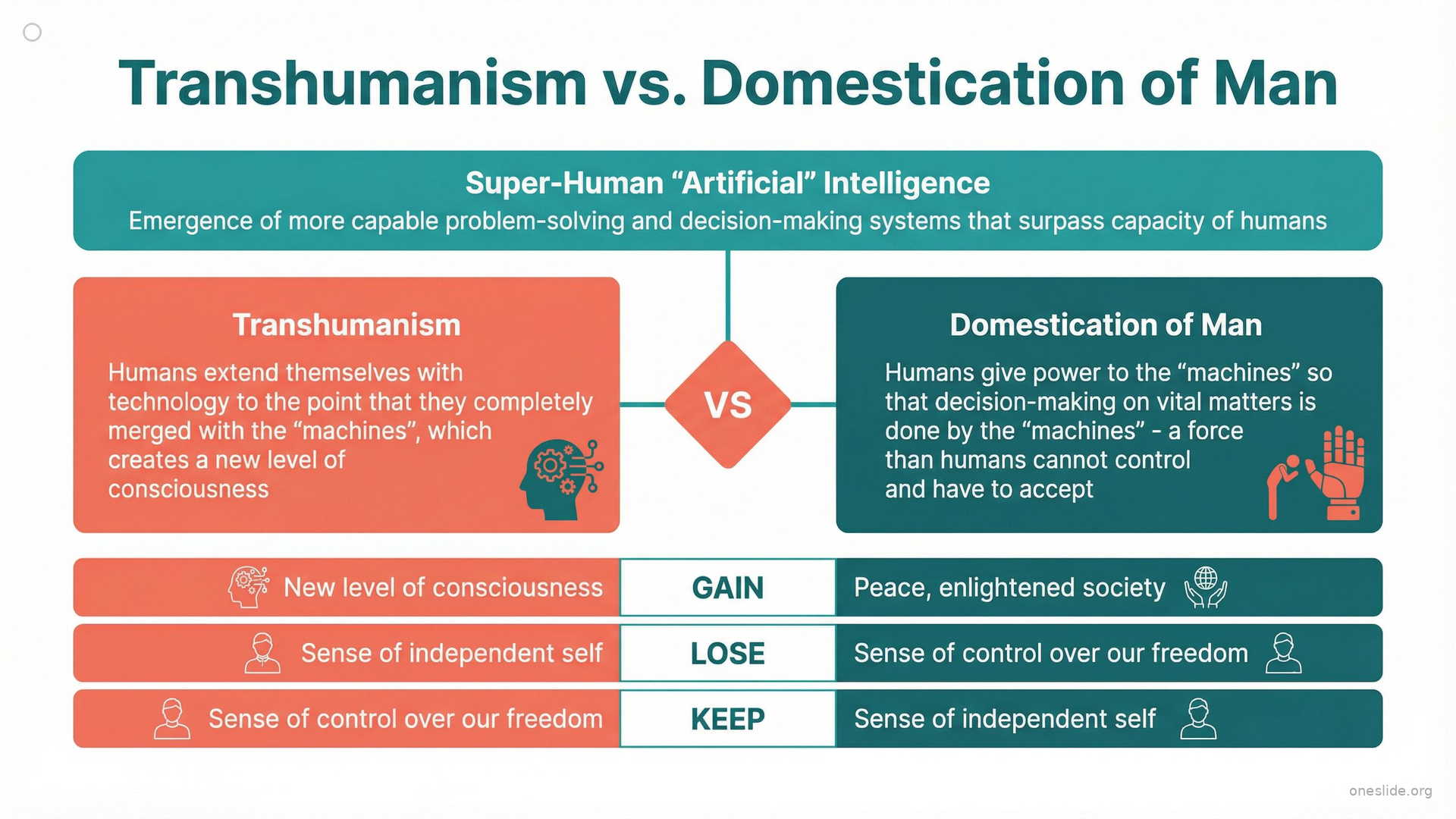
A thought-in-process exploring the dichotomy between transhumanism and the domestication of man. The two opposites are neither mutually exclusive nor collectively exhaustive — they are, in a certain way, two inseparable aspects of a single phenomenon.
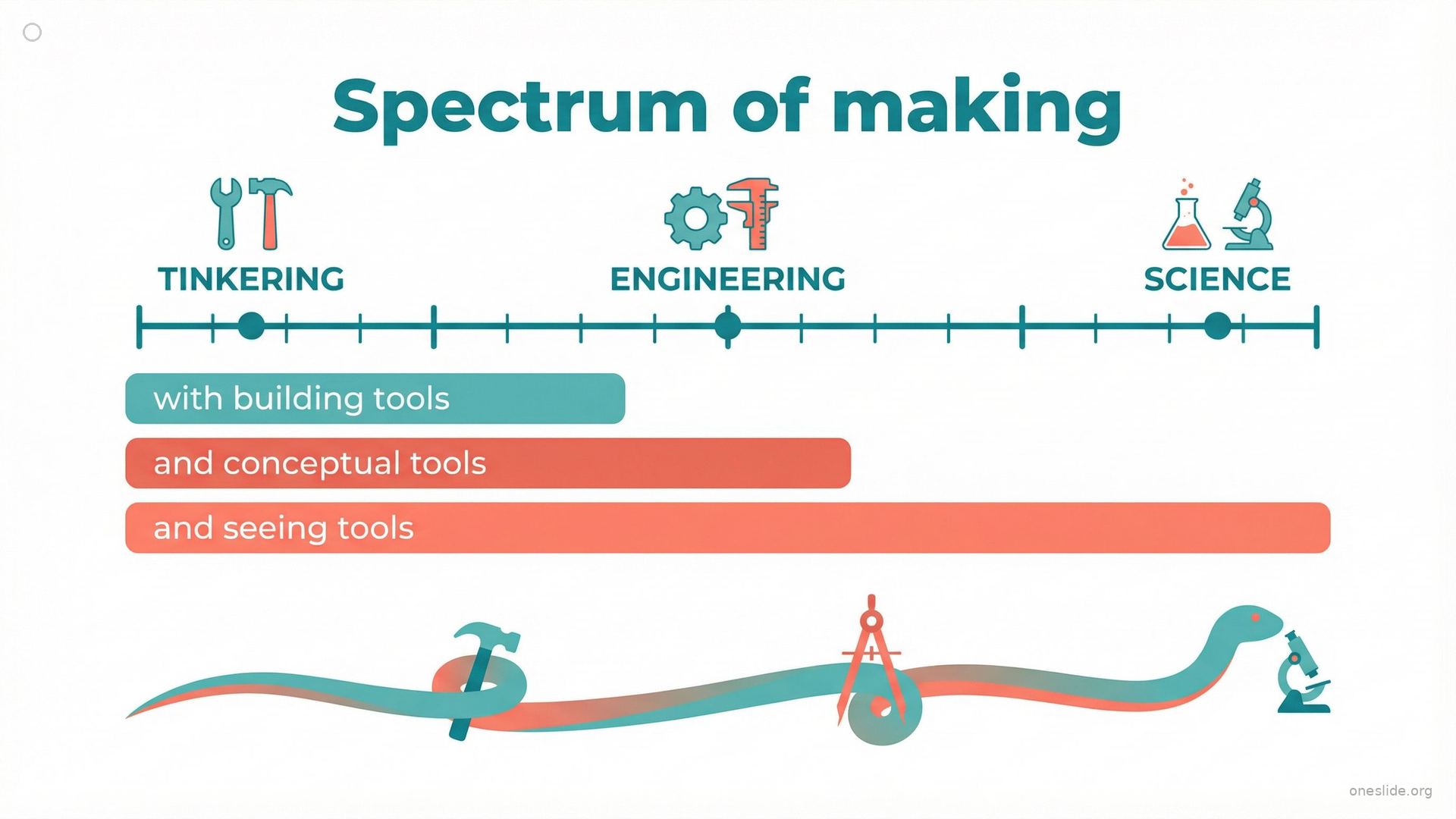
A powerful conceptualization of the spectrum of making, from Bret Victor. Understanding where your work falls on this spectrum helps clarify what tools, feedback loops, and environments you need to create effectively.
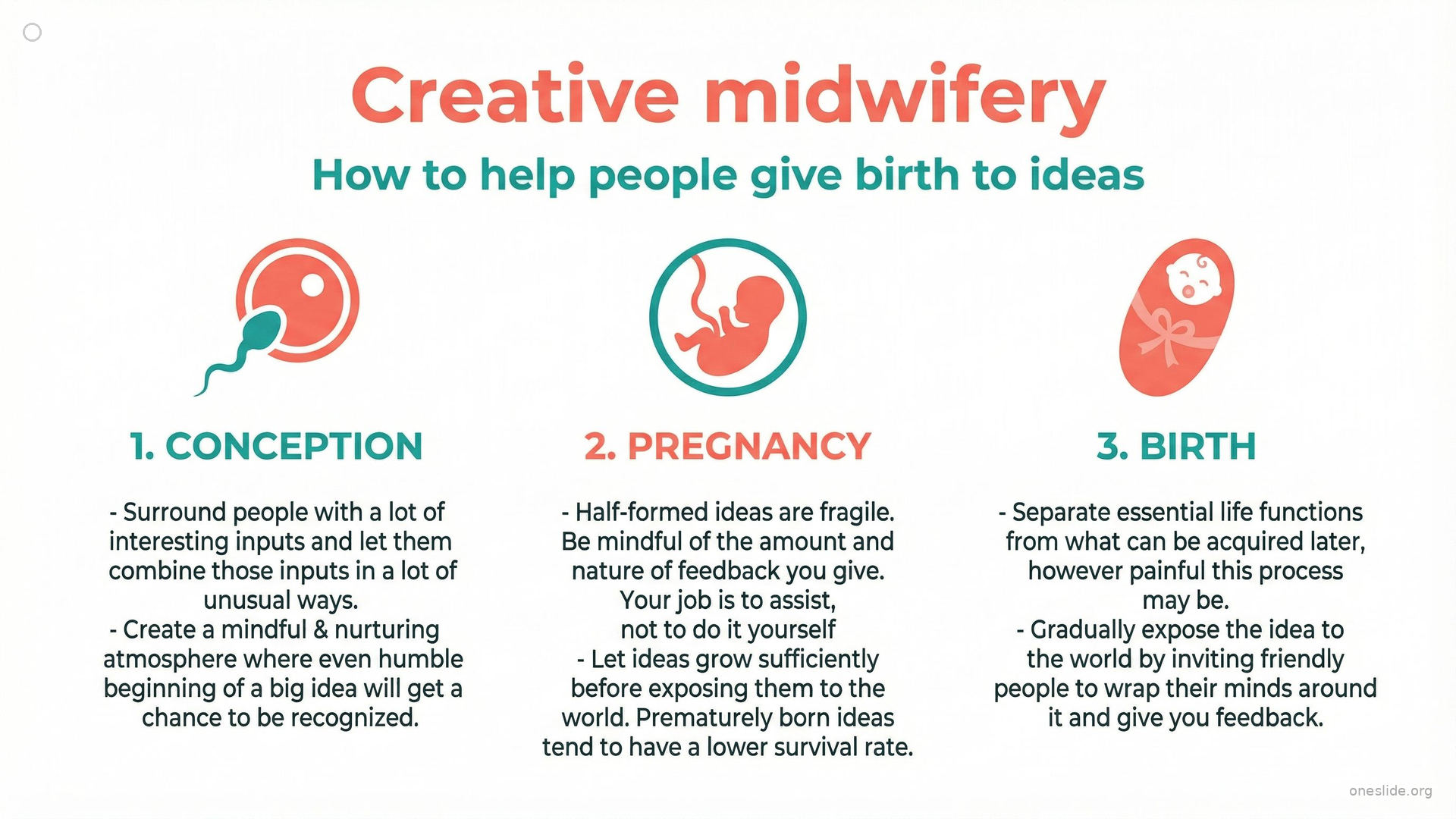
Ideas are not made, they are born. Giving birth to ideas is a natural process, and like many natural processes, it doesn't always go smoothly. Luckily, skillful help can make a difference, enhancing both the process and the outcome. Assisting creative birth is a difficult job, because even the strongest ideas start out fragile, while people labouring over them are often in doubt or pain.
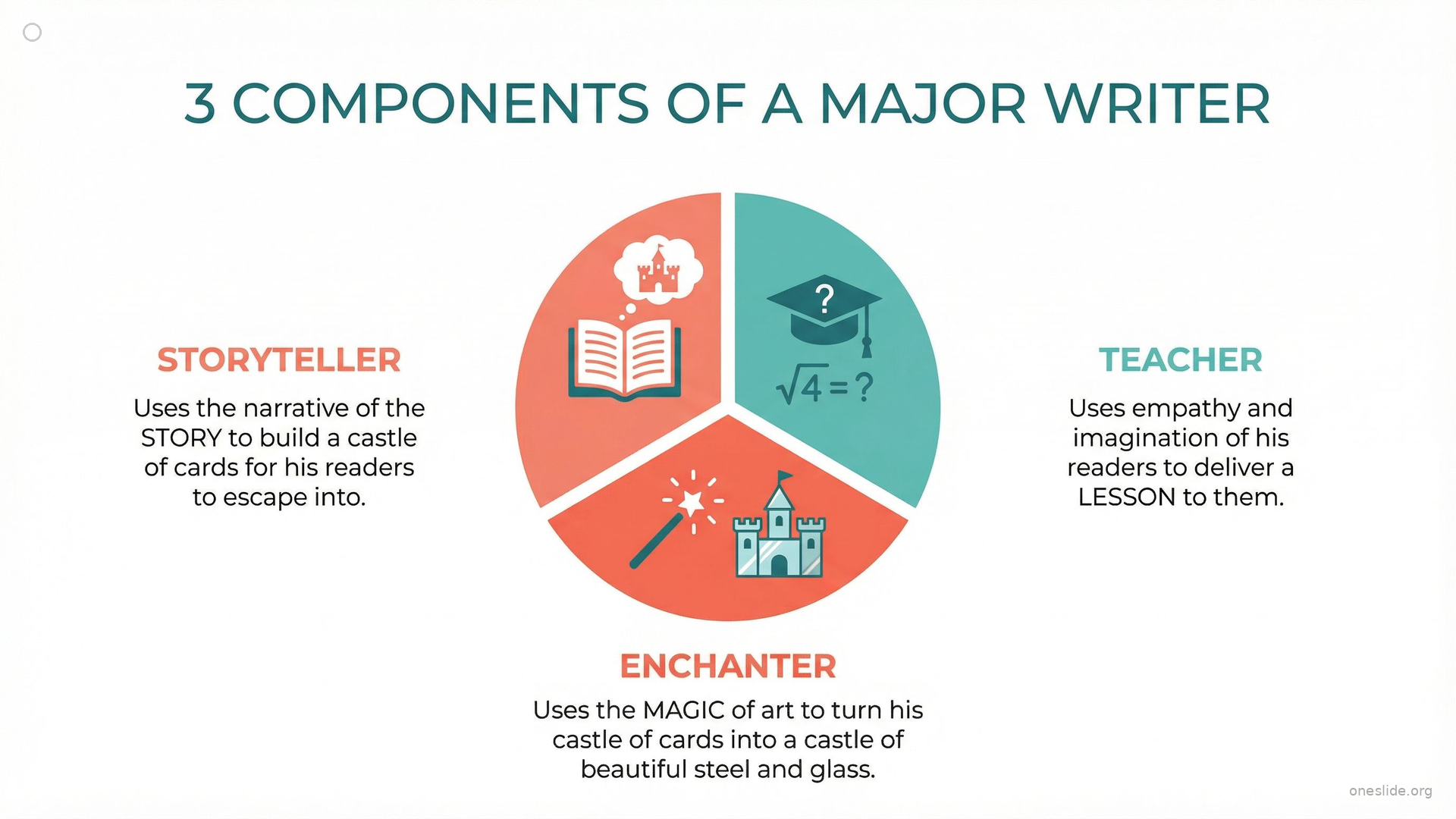
There are three points of view from which a writer can be considered: as a storyteller, as a teacher, and as an enchanter. A major writer combines all three — but it is the enchanter in him that predominates and makes him a major writer.
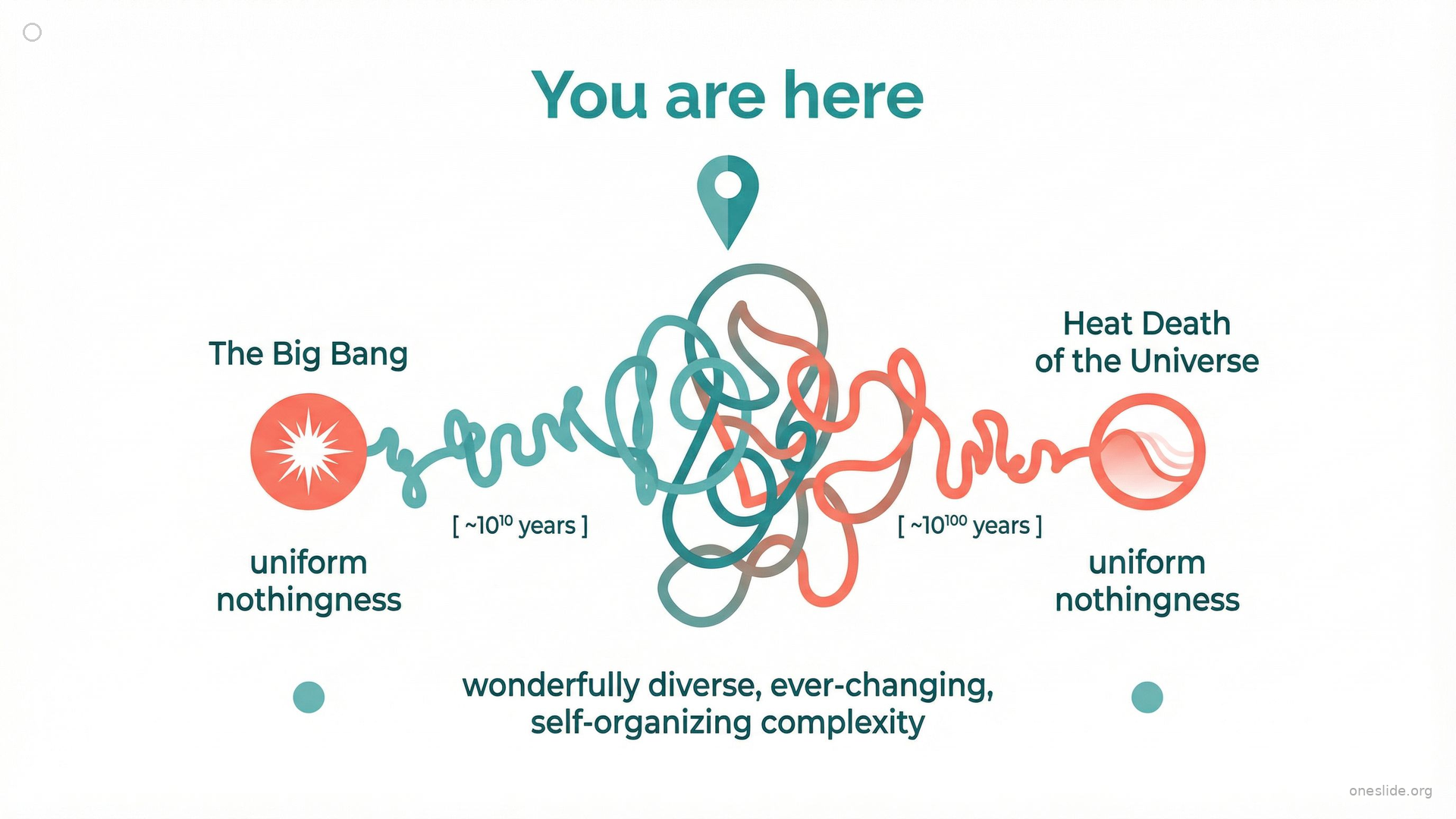
A message originally written for a newborn child, but it applies to all of us. This life that you have become a distinct part of — is a wonderful, mysterious, and precious thing. You are here, now, on a small blue marble spinning through an incomprehensibly vast universe.
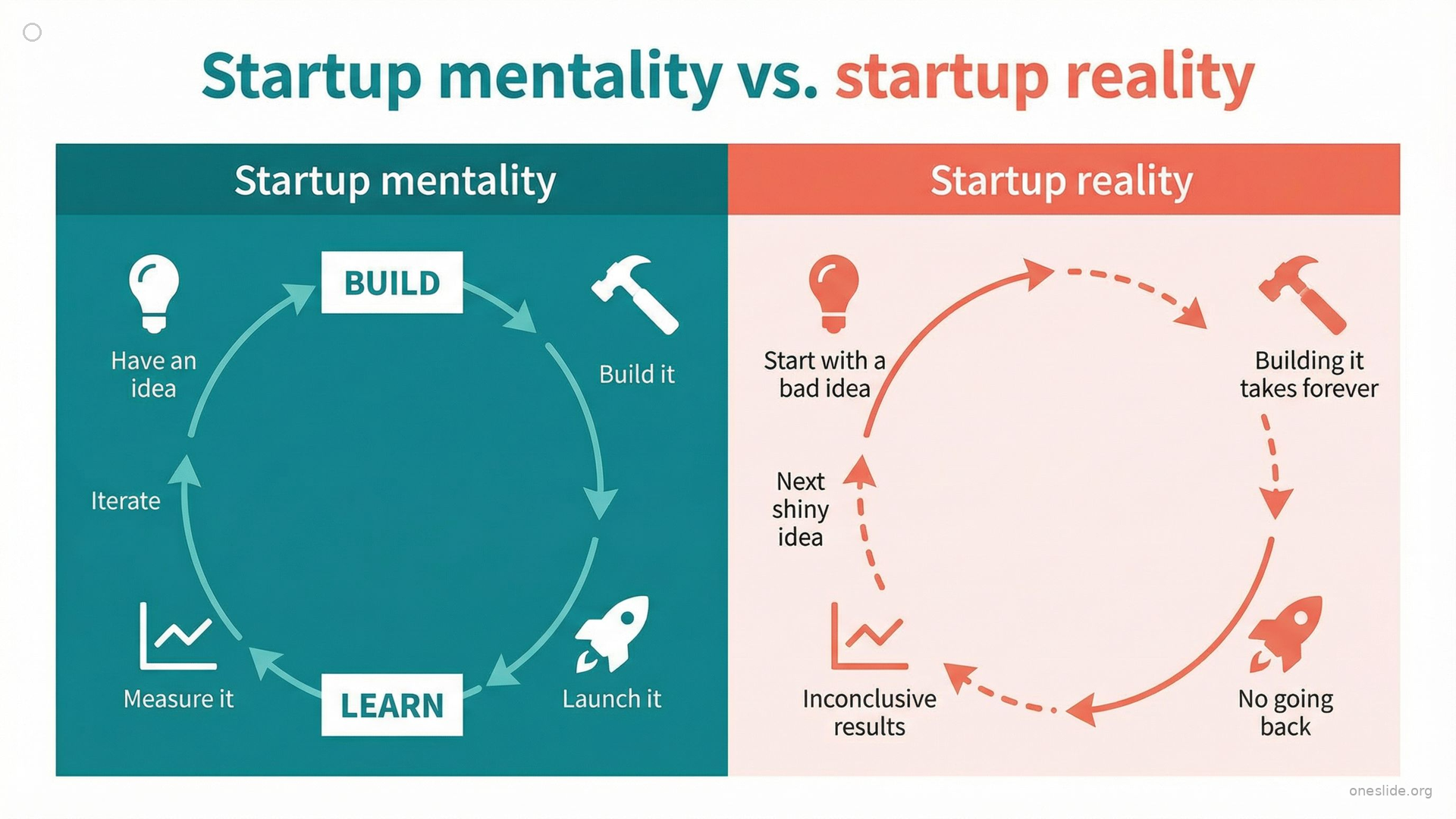
Why do startups fail? Often not from lack of funding or team issues, but from starting with a bad idea, struggling to pivot, getting unclear signals from the market, or losing momentum. The gap between startup mentality and startup reality is where most failures happen.
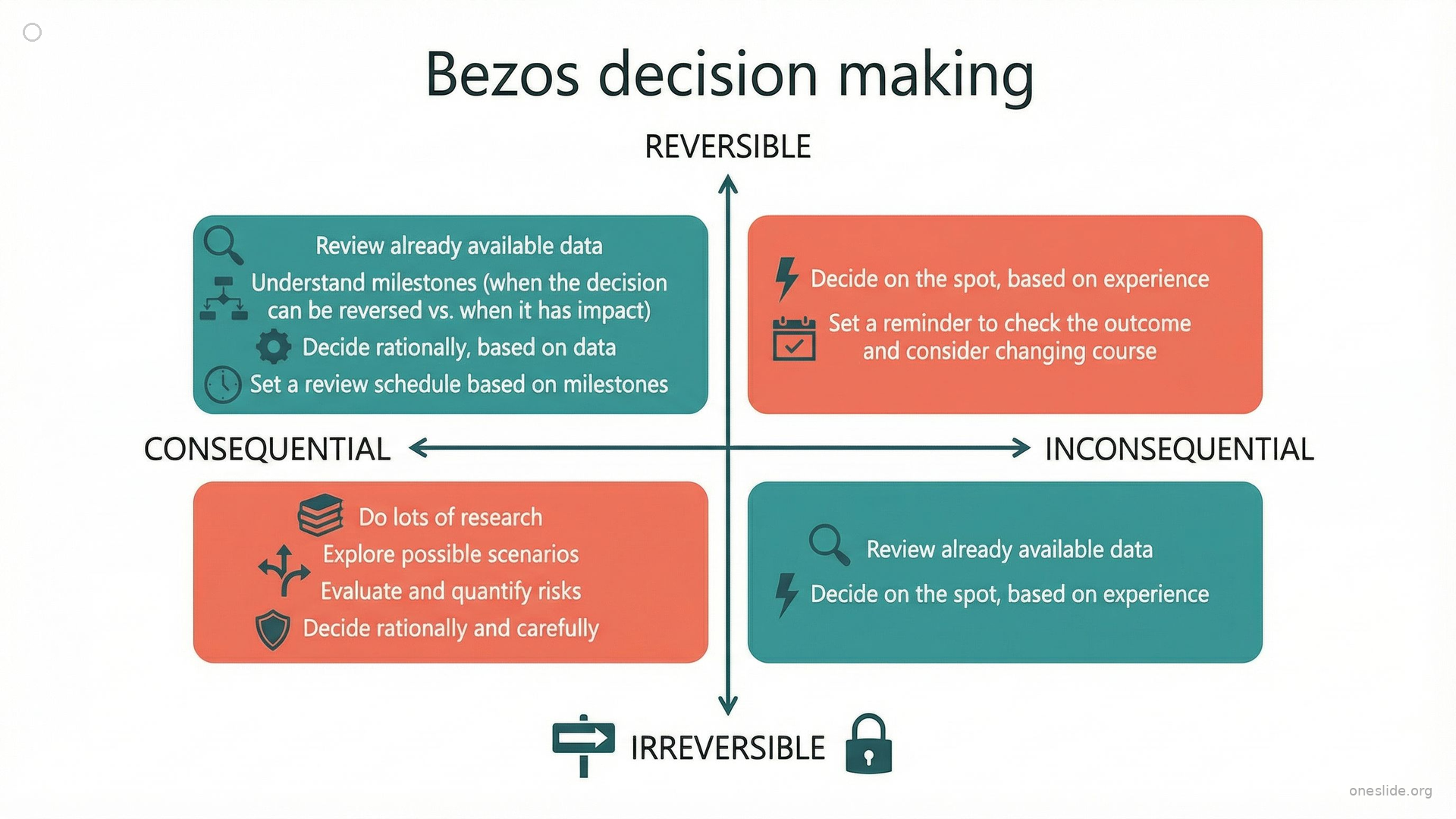
Being a large company that's also an invention machine. Combining customer-serving capabilities enabled by size with the speed, nimbleness, and risk-acceptance mentality of startups. The key is distinguishing reversible from irreversible decisions — and treating them differently.
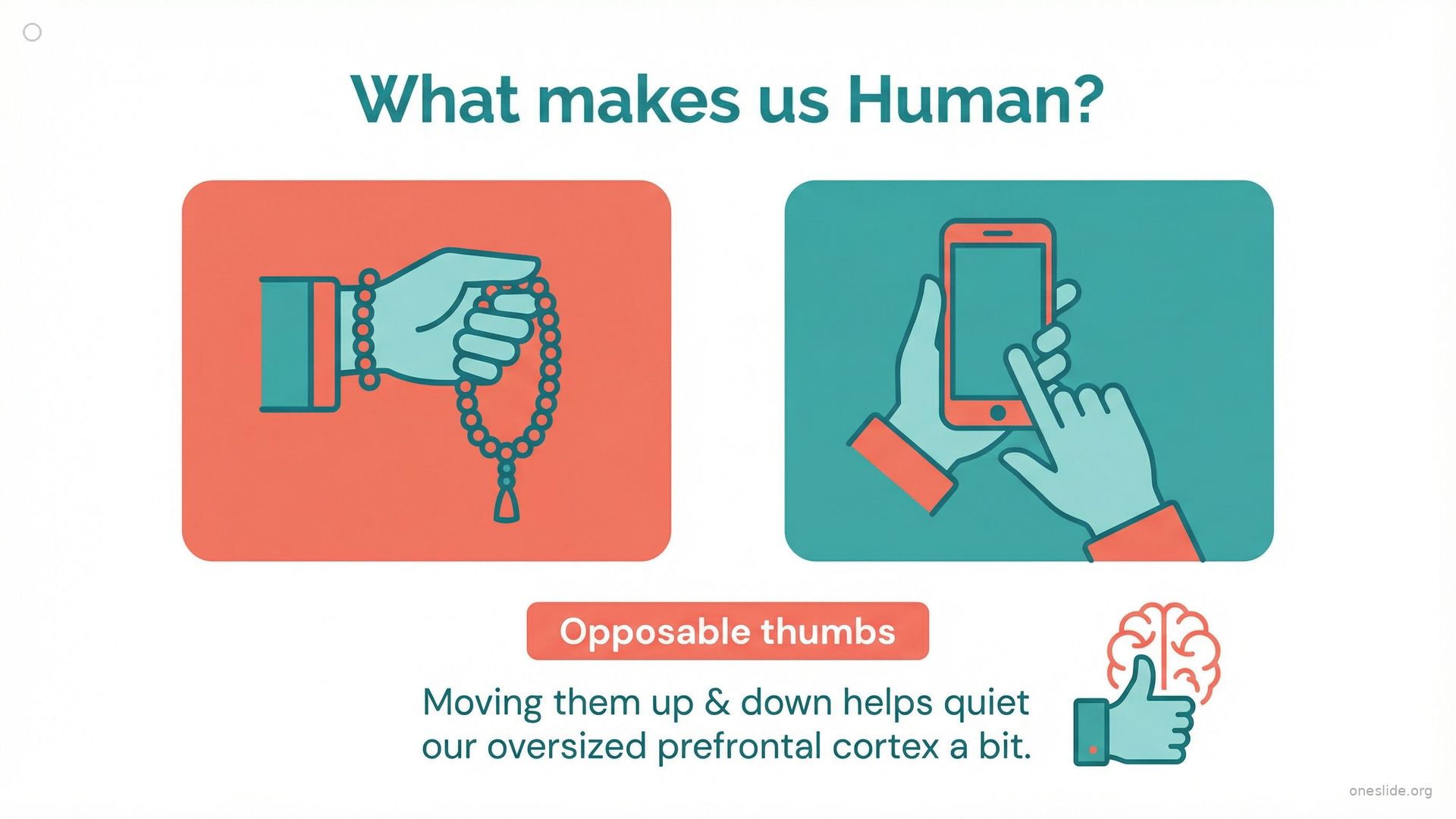
Something must be up with the thumb. Perhaps it helps us cope with our oversized prefrontal cortex and the constant monkey mind chatter. The question is: what kind of silencing it, and for how long, is best for us?
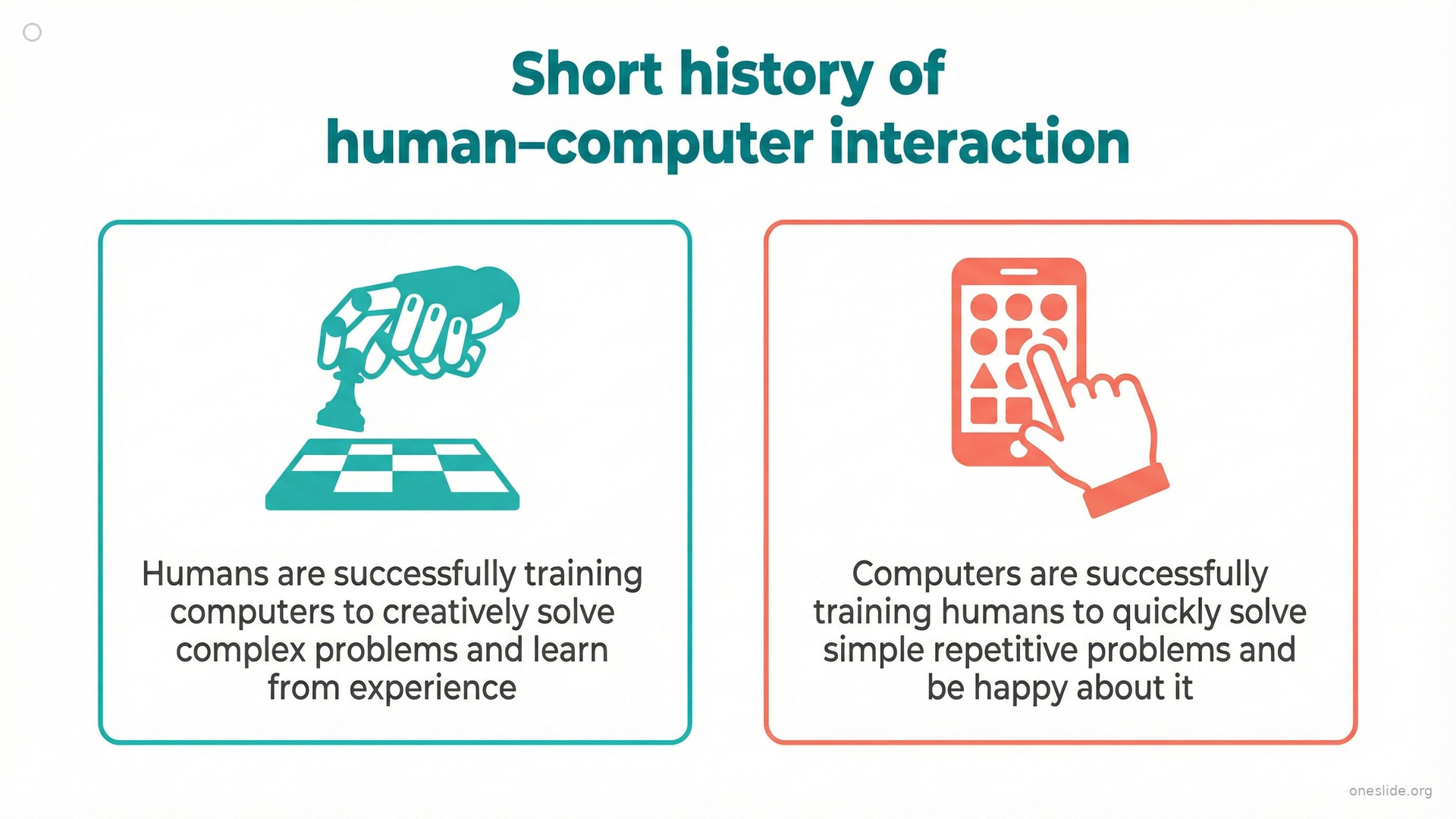
The history of human-computer interaction is a gradual cross-training between the two. Humans train computers to solve increasingly complex problems while learning from their own experience. Computers train humans to communicate in increasingly abstract languages while offloading routine tasks to machines.
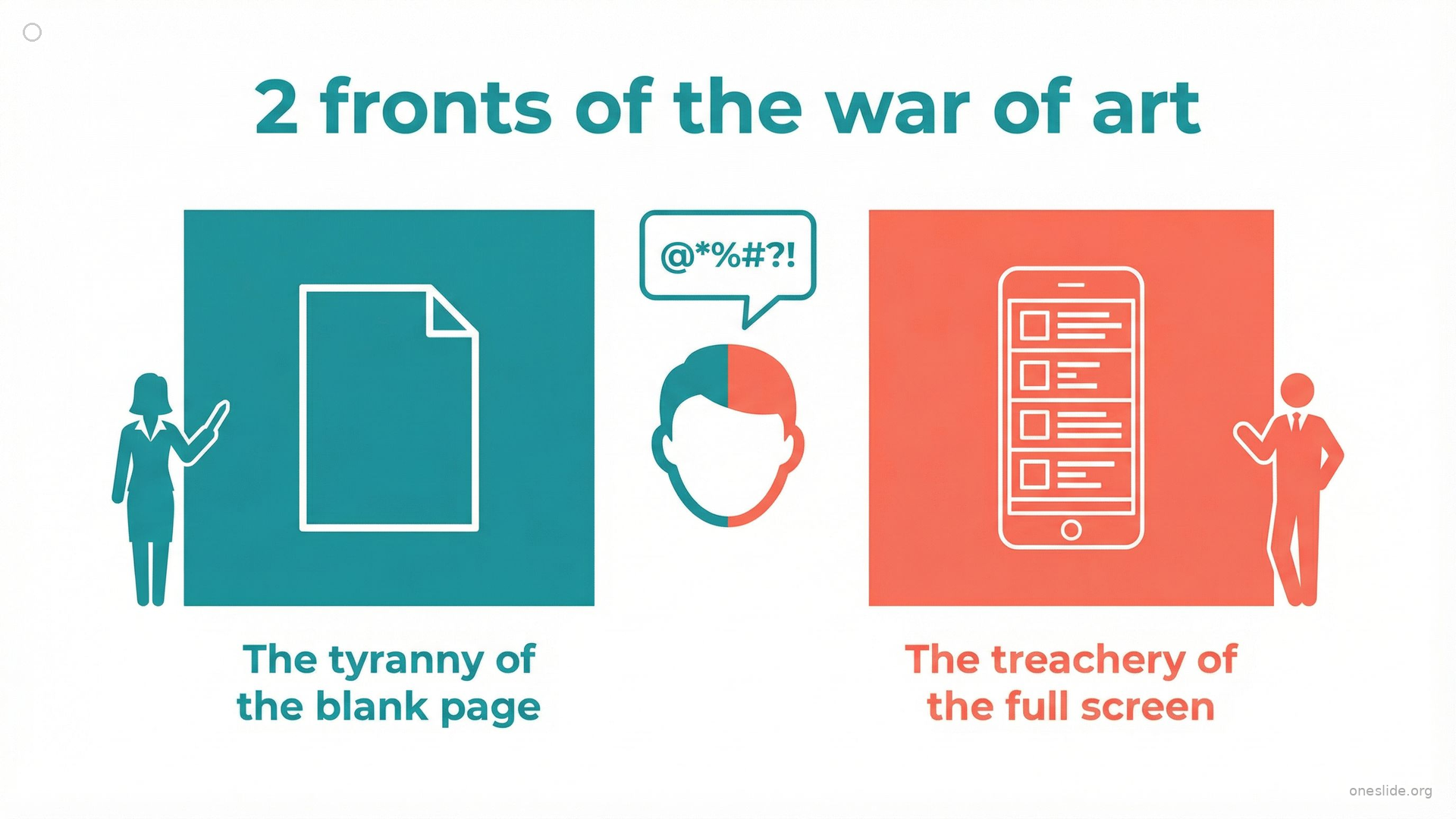
Overcoming the tyranny of the blank page is one battle. But there's another front in the creative war — the treachery of the screen, full of great tools and amazingly interesting information and possibilities. The blank page paralyzes; the full screen distracts. Both are enemies of creation.
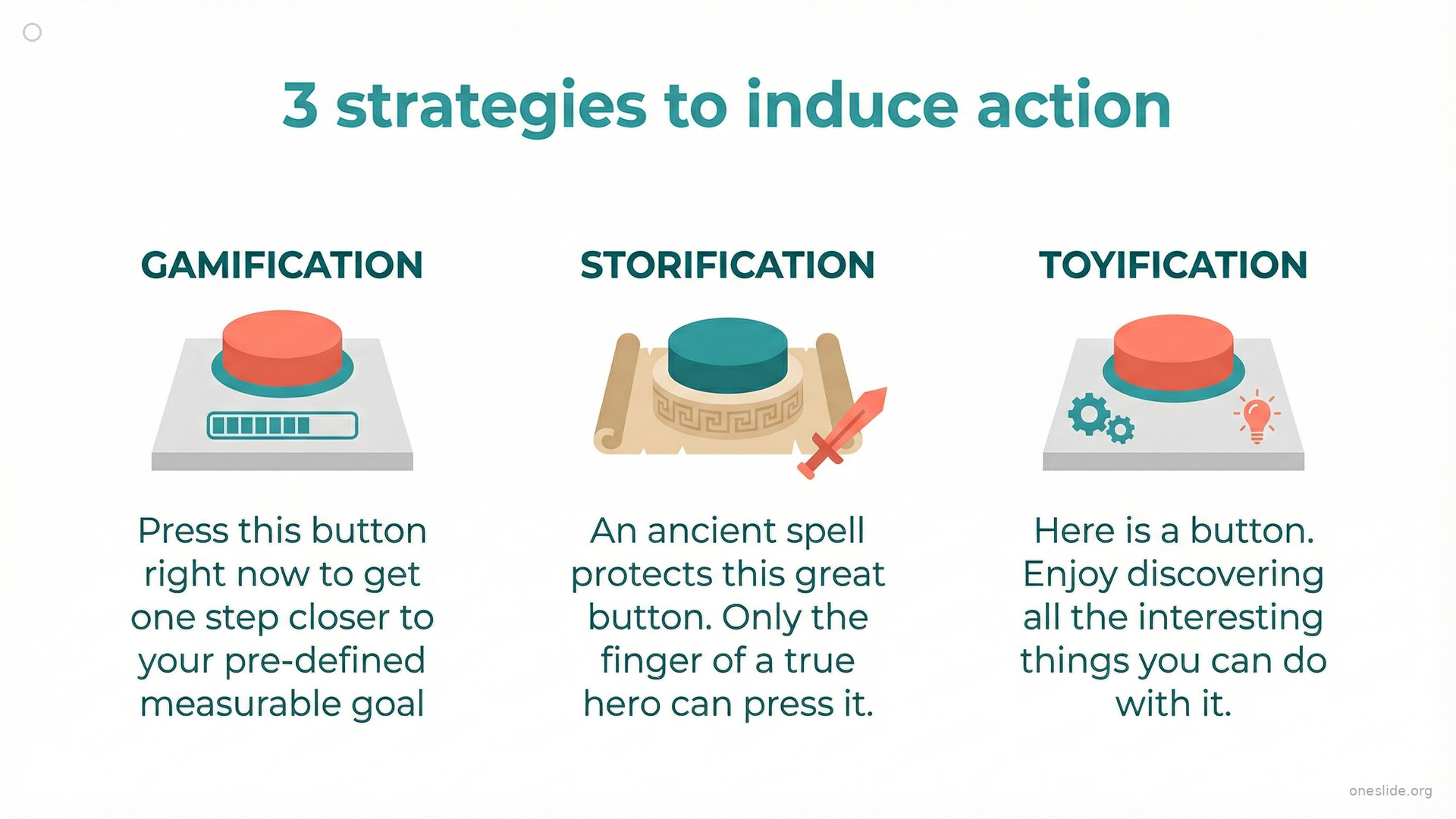
Too often "Gamification" is seen as a silver bullet for making it more interesting for people to perform certain actions. But there are at least two other equally powerful strategies: Storification (turning action into narrative) and Socialization (leveraging social dynamics). Don't rely on just one.
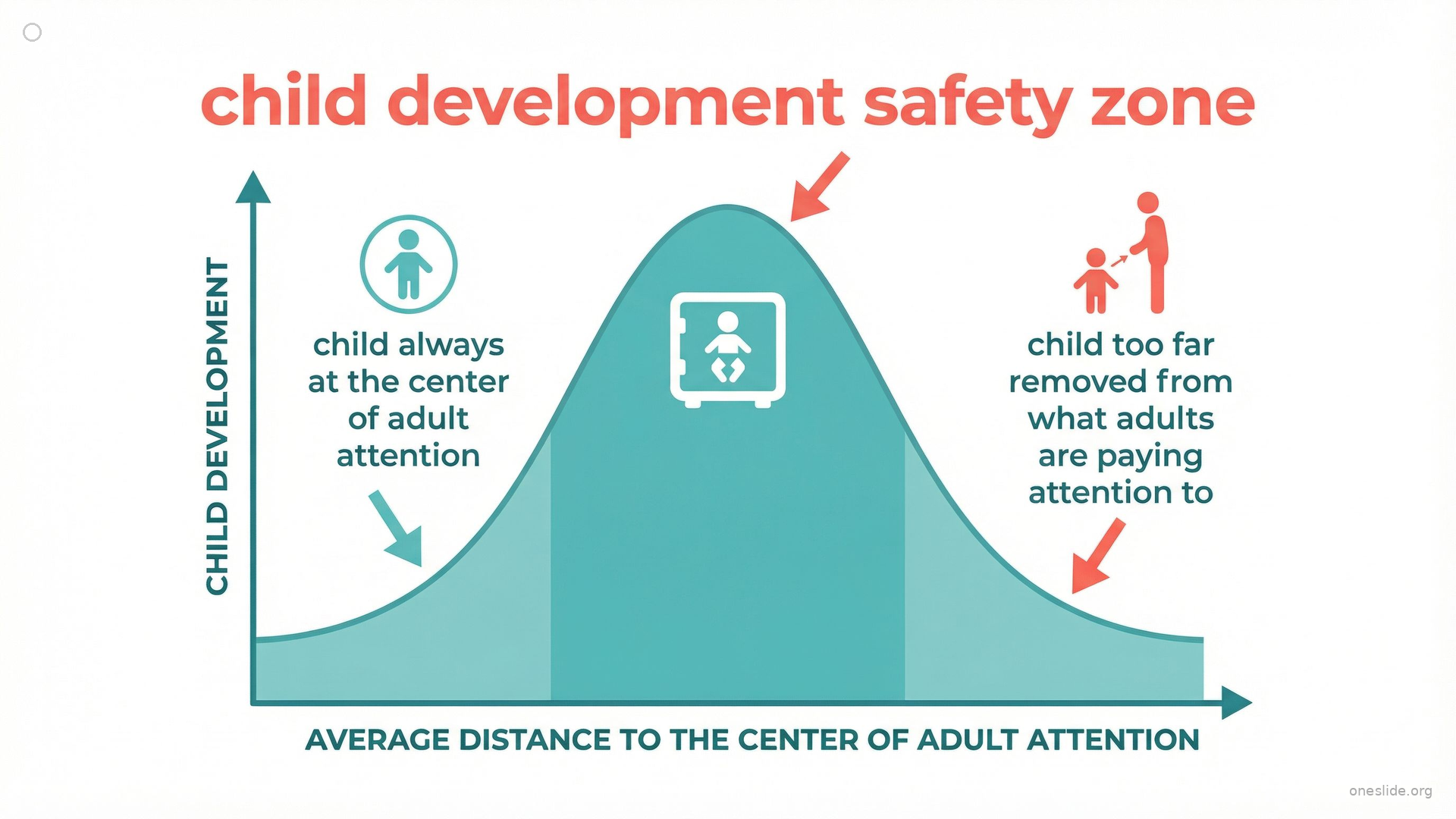
Too much adult attention is as inefficient for child development as a lack of it. The most friendly environment lies somewhere in between these two points — enough attention to feel safe, enough space to explore.
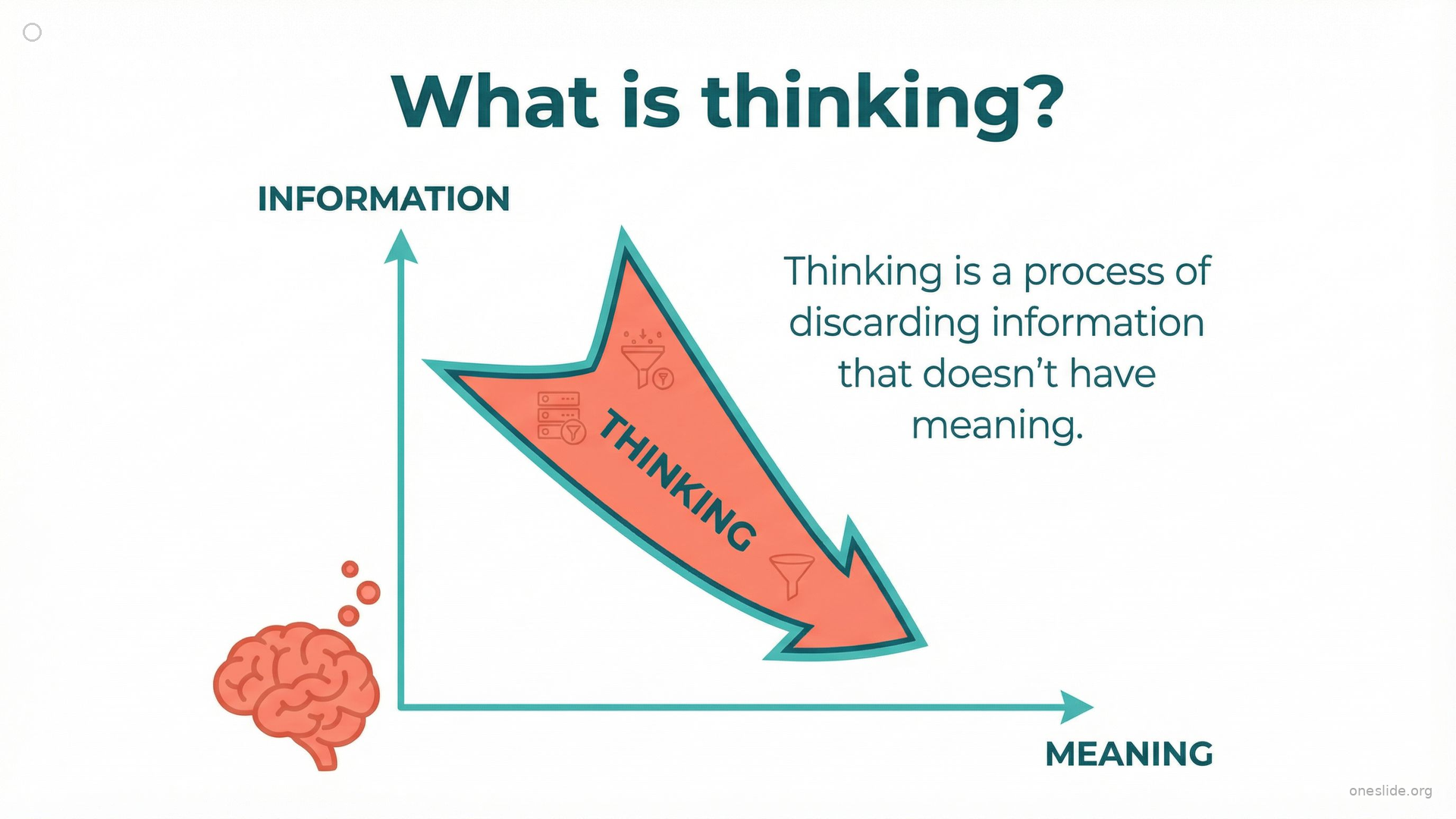
Thinking is a process of discarding information that doesn't have meaning. We filter, compress, and abstract the overwhelming flood of sensory data into something we can work with.
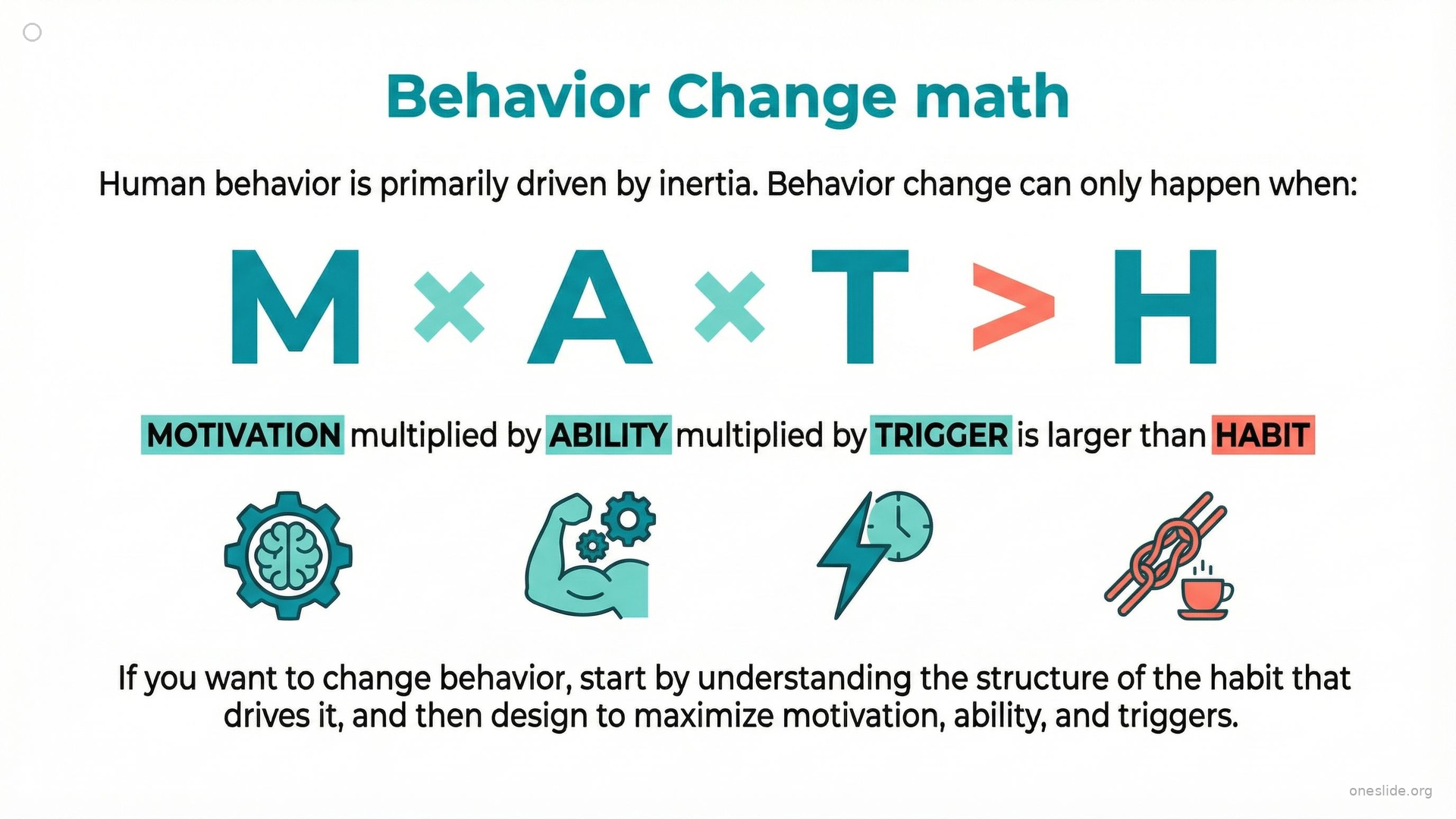
How to change behavior? Start by understanding the structure of the Habit that drives it, then design to maximize Motivation, Ability, and Triggers. All three components are necessary — if one is missing or close to zero, the whole equation diminishes.
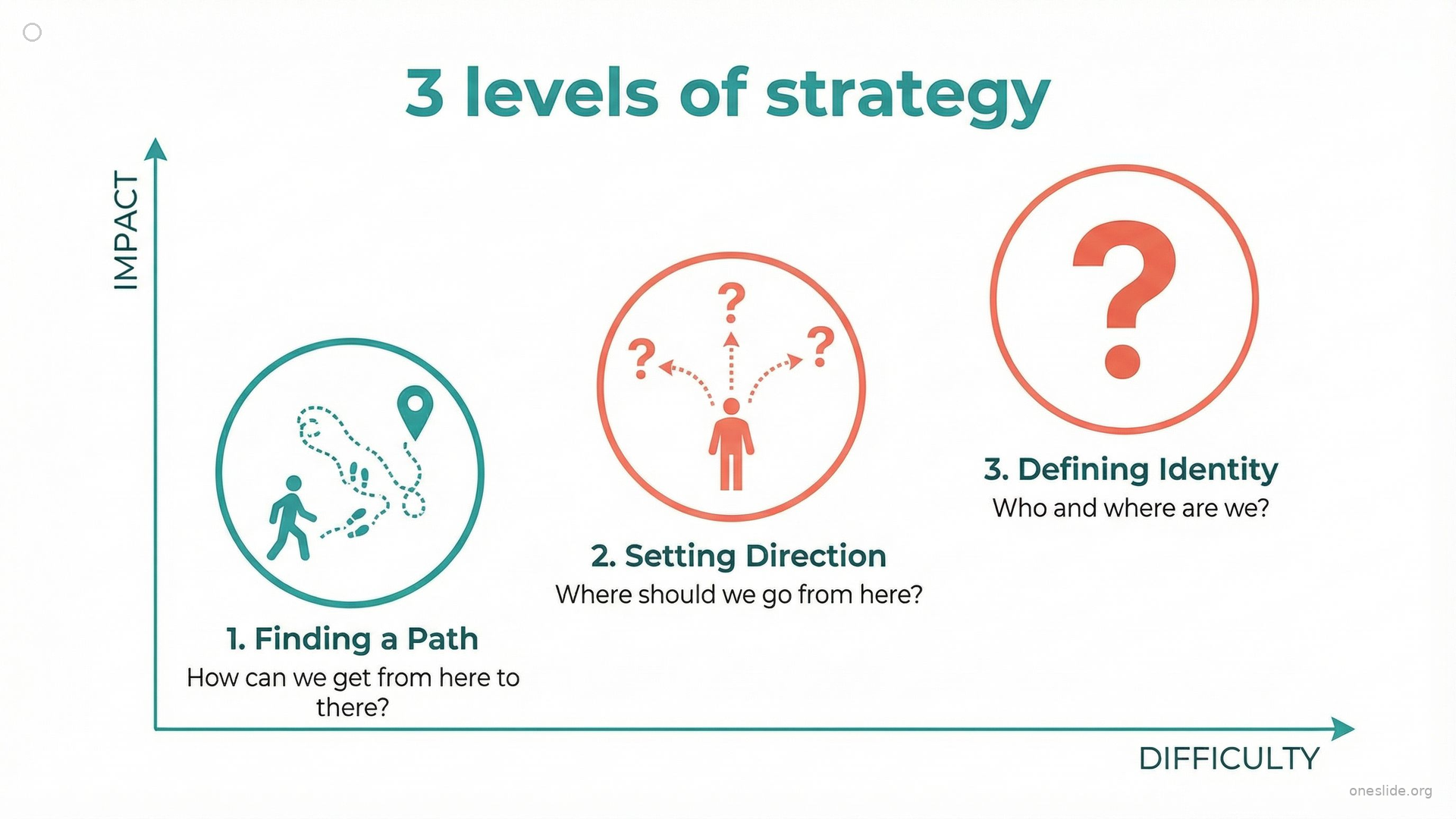
Strategy is "the skill of making or carrying out plans to achieve a goal". But this definition rests on assumptions: that we have a known goal, that we know where we are now, and that we know who we are. Three levels of strategy address these different depths of understanding.
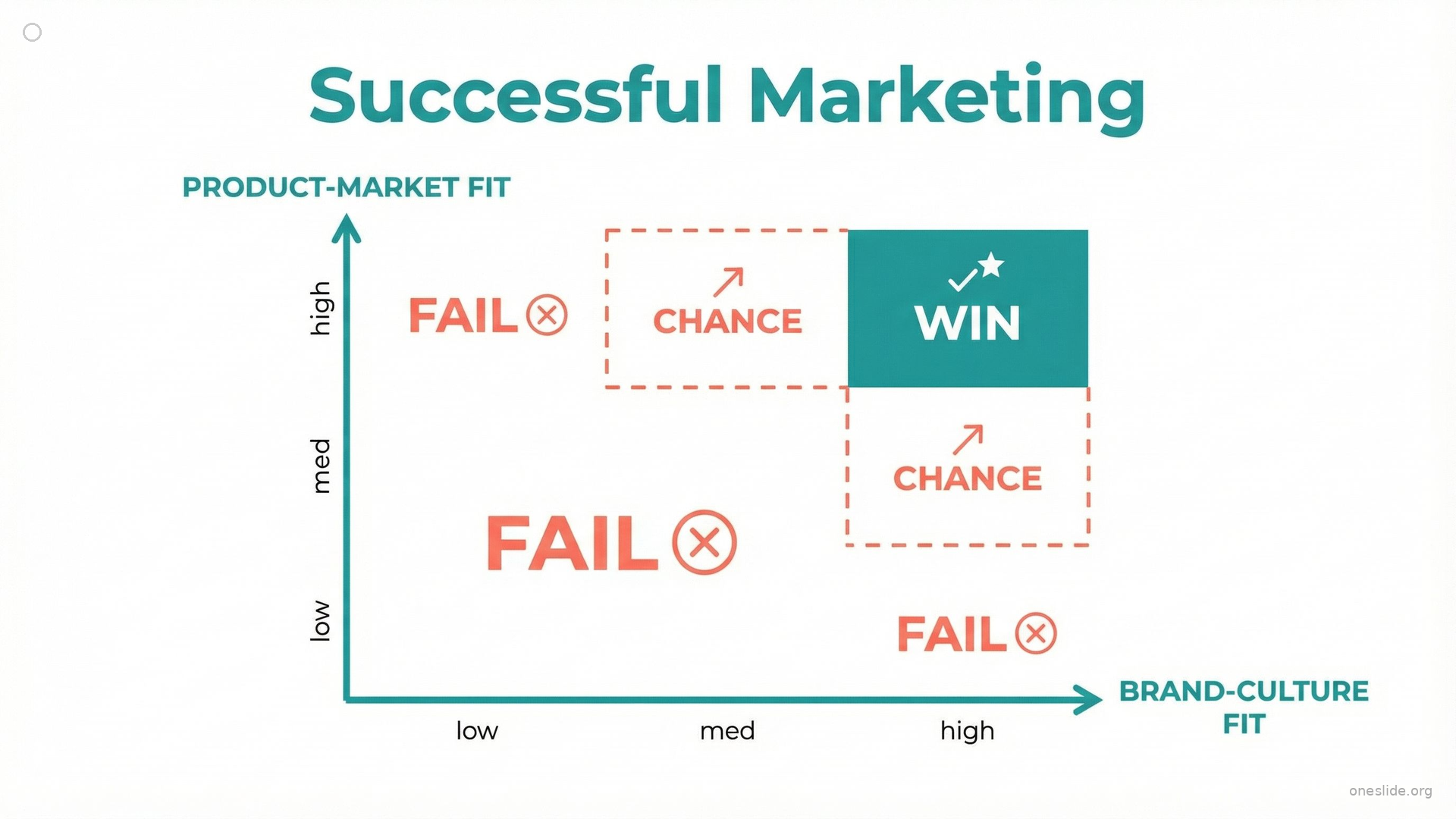
Product-market fit alone is not enough. In the modern world, brand-culture fit is equally critical for success. Your product needs to fit the market, but your brand also needs to fit the culture.
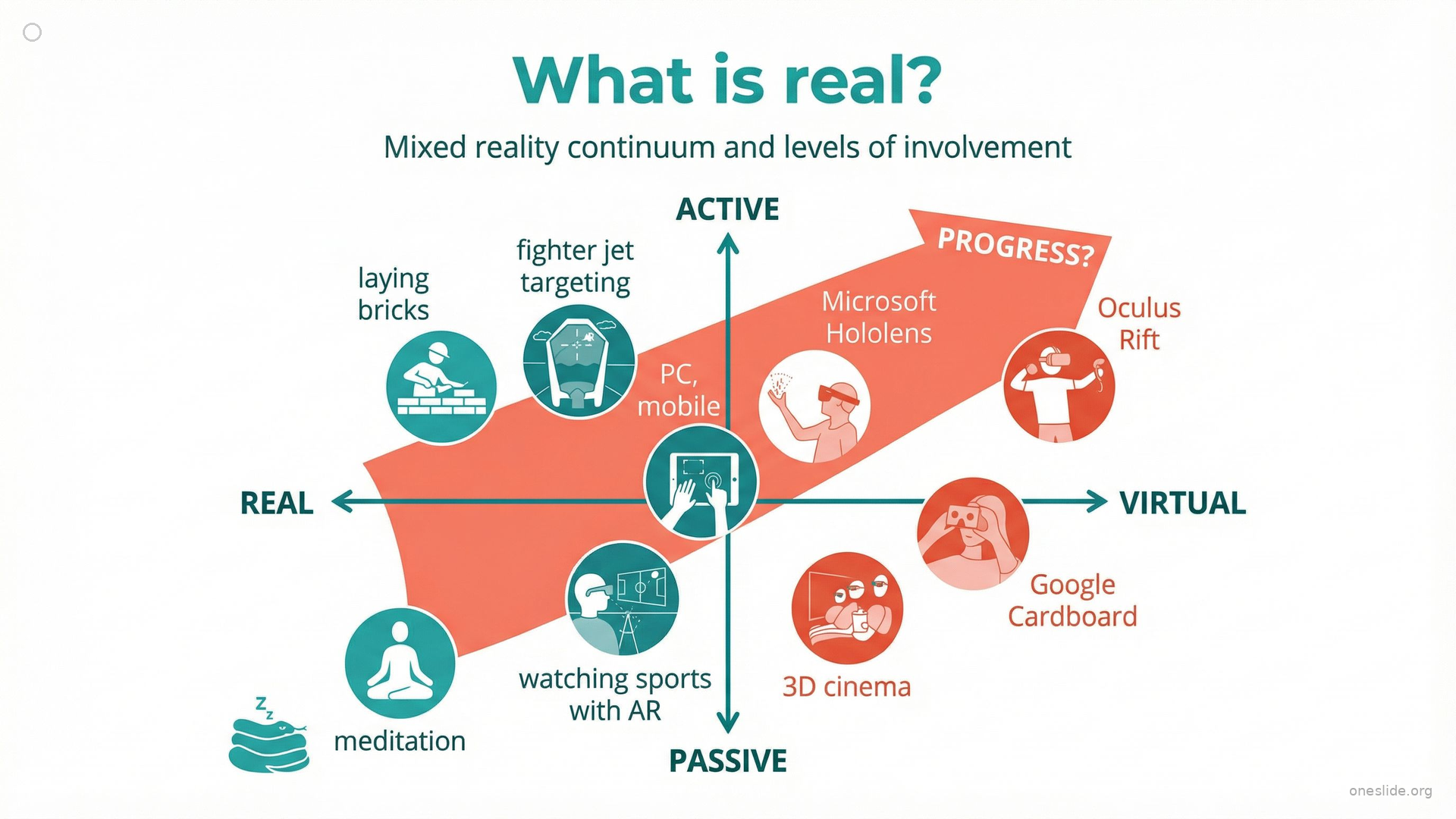
With the advance of virtual reality, this question becomes more complicated while simultaneously more important. Paul Milgram and Fumio Kishino's 1994 paper explored the idea that the border between real and virtual is not binary — it's a continuum from fully real to fully virtual, with augmented and mixed reality in between.
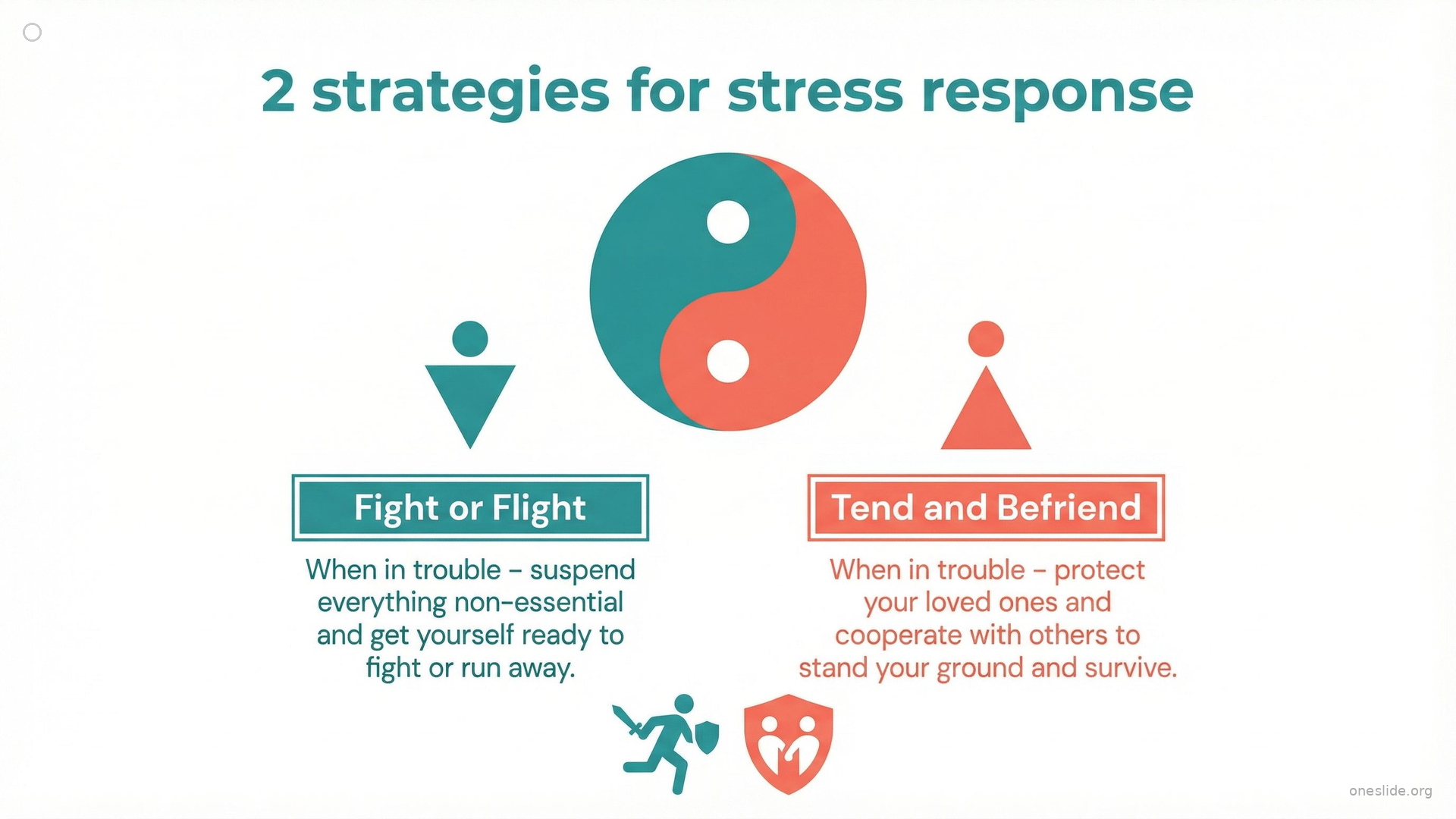
Stress-related diseases claim the lives of millions of people every year. And the number is, unfortunately, only going up. Stress in itself is not going to make your heart fail — it's your response to stress that makes all the difference. There are two fundamental strategies for dealing with stress.
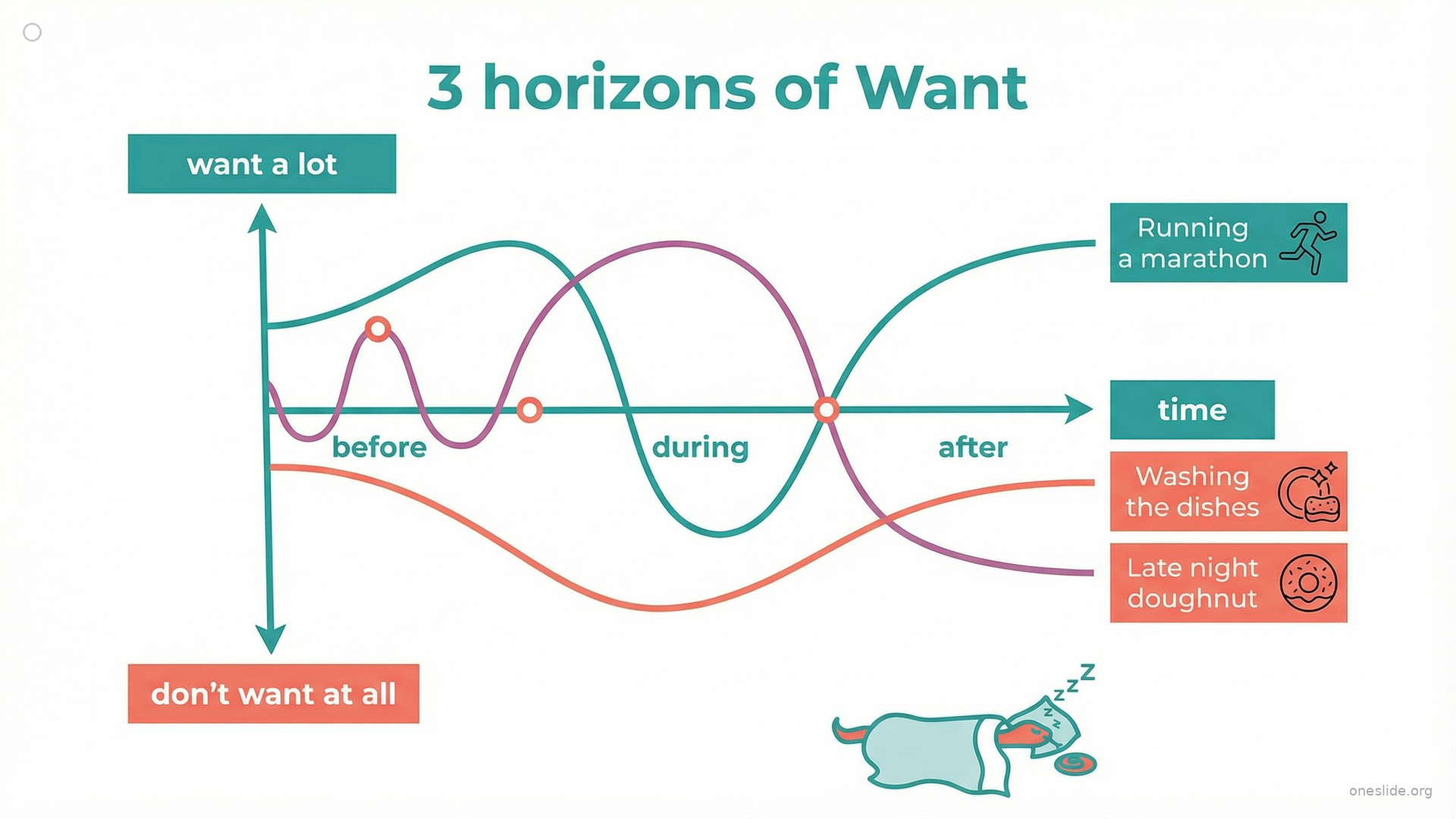
"Want" is a funny word. Our attitude changes depending on whether the thing we want is in the future, in the present or in the past. After you've eaten too much you probably wish you hadn't. But you ordered your food while you were hungry. Understanding these three horizons of want helps explain much of human behavior.
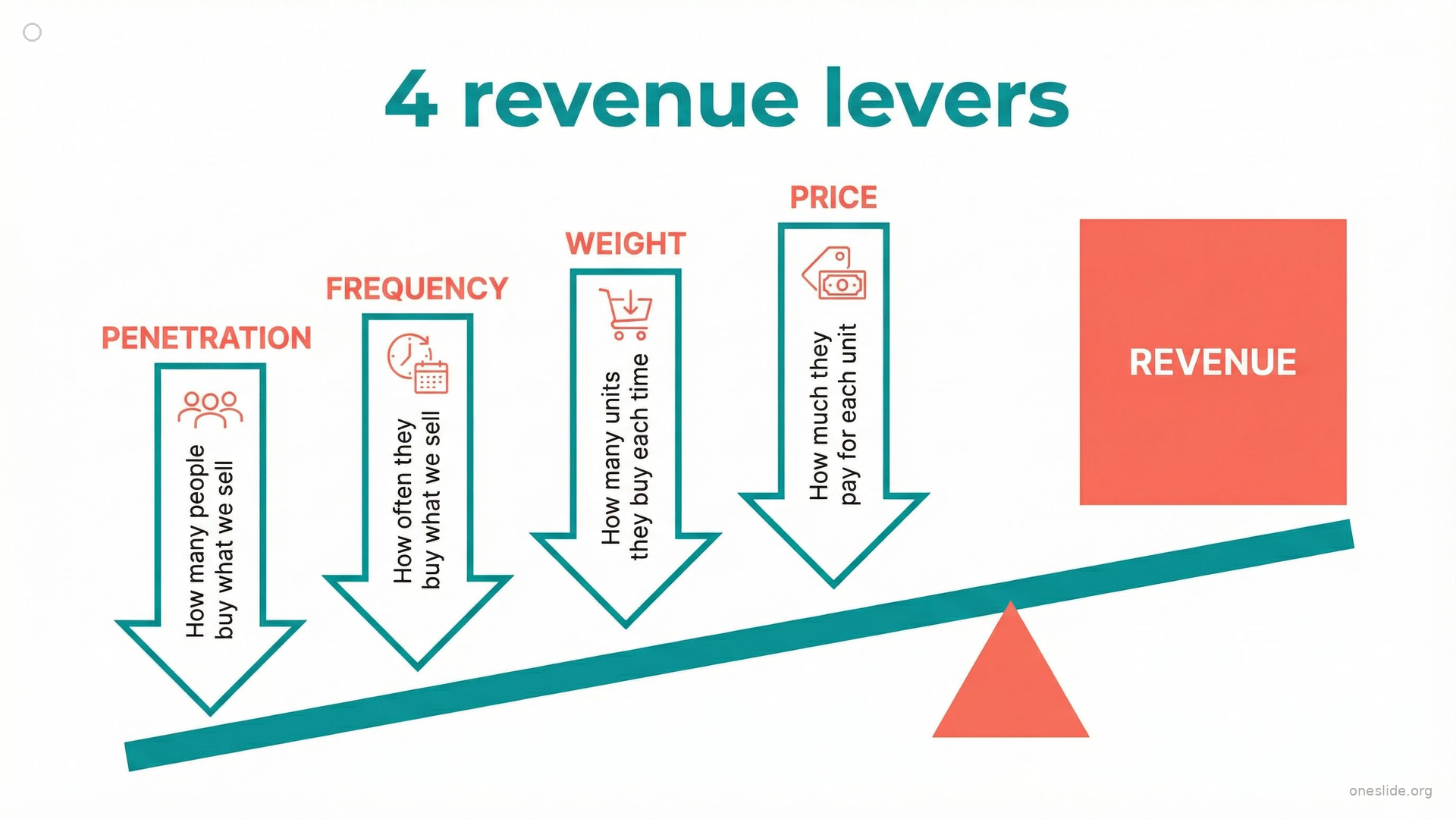
If you want your business to make more money, there are only 4 ways to go about it: Make more people buy. Make people buy more often. Make people buy more per transaction. Raise your prices. Every revenue strategy boils down to pulling one or more of these levers.
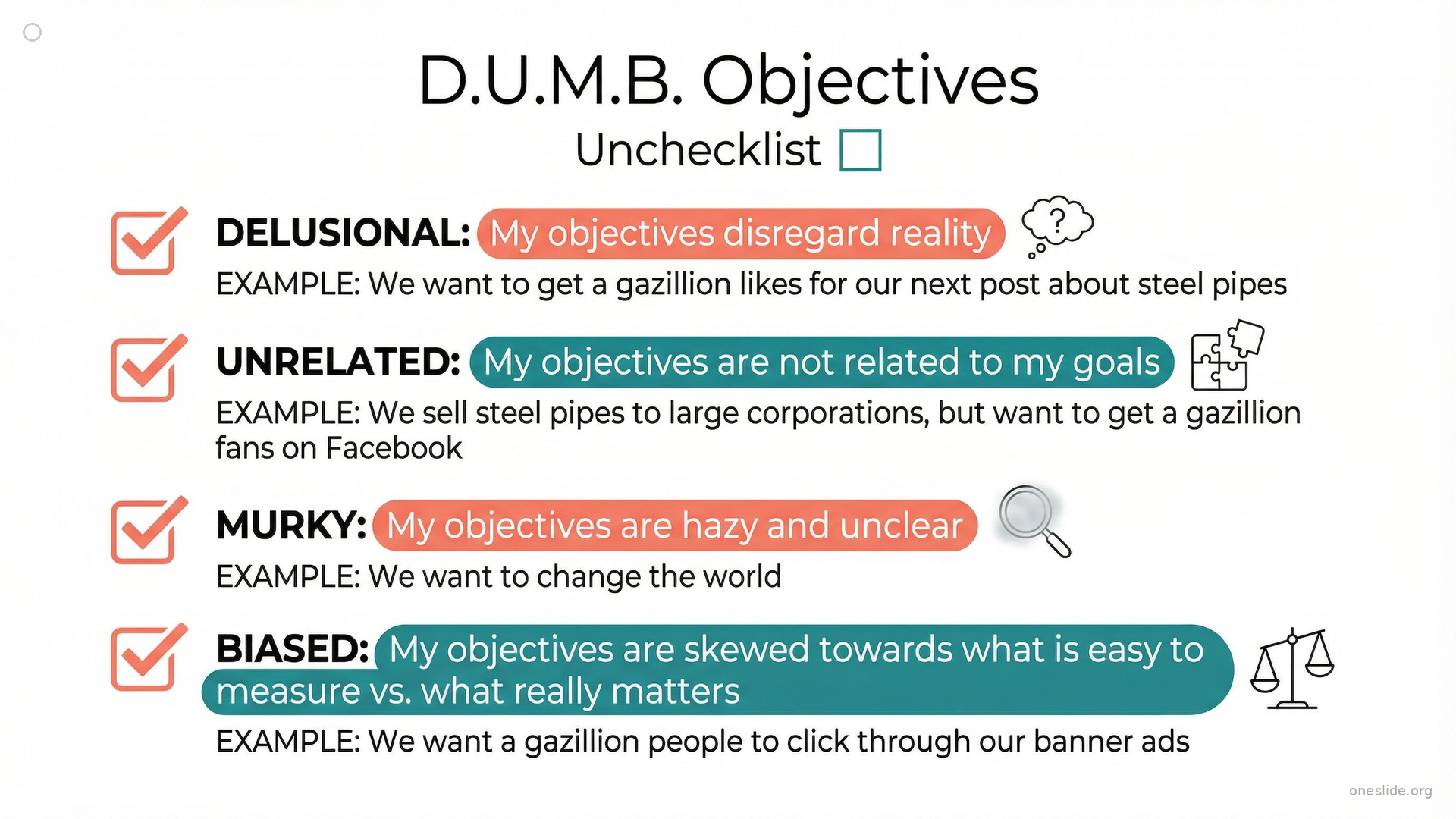
We have all heard of S.M.A.R.T. Objectives and it's a useful framework. But too often we see it being applied half-heartedly. Sometimes it helps to complement a good checklist with a good unchecklist — a list of things your objectives should NOT be. D.U.M.B.: Disconnected, Unrealistic, Measured wrong, Boring.
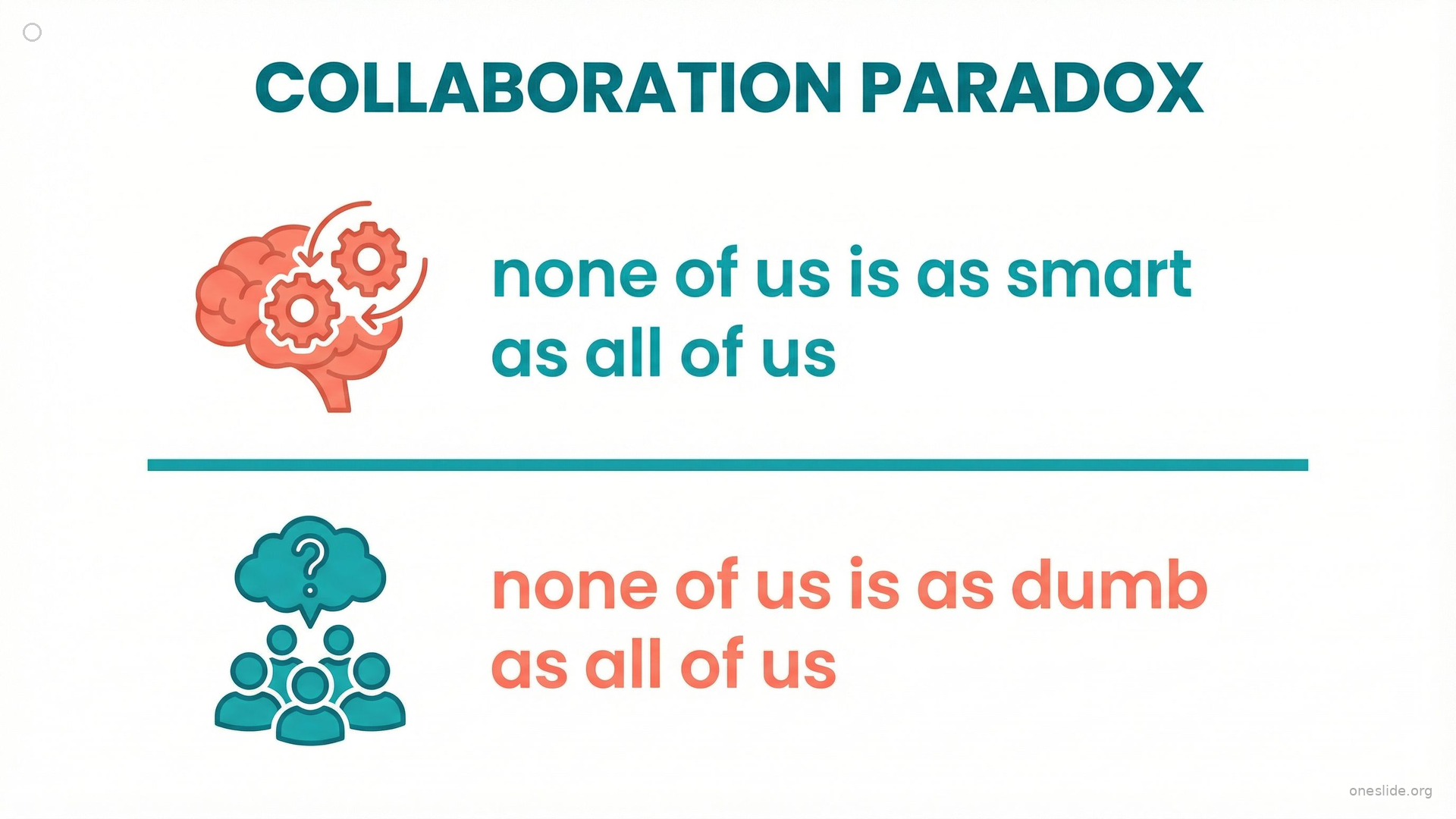
The pleasure and effectiveness of working together are immeasurable. 1+1 often equals way more than two. As Ray Kroc used to say, "None of us is as good as all of us". Unfortunately, the opposite is also true — groups can become dumber, meaner, and less effective than individuals. The collaboration paradox in action.
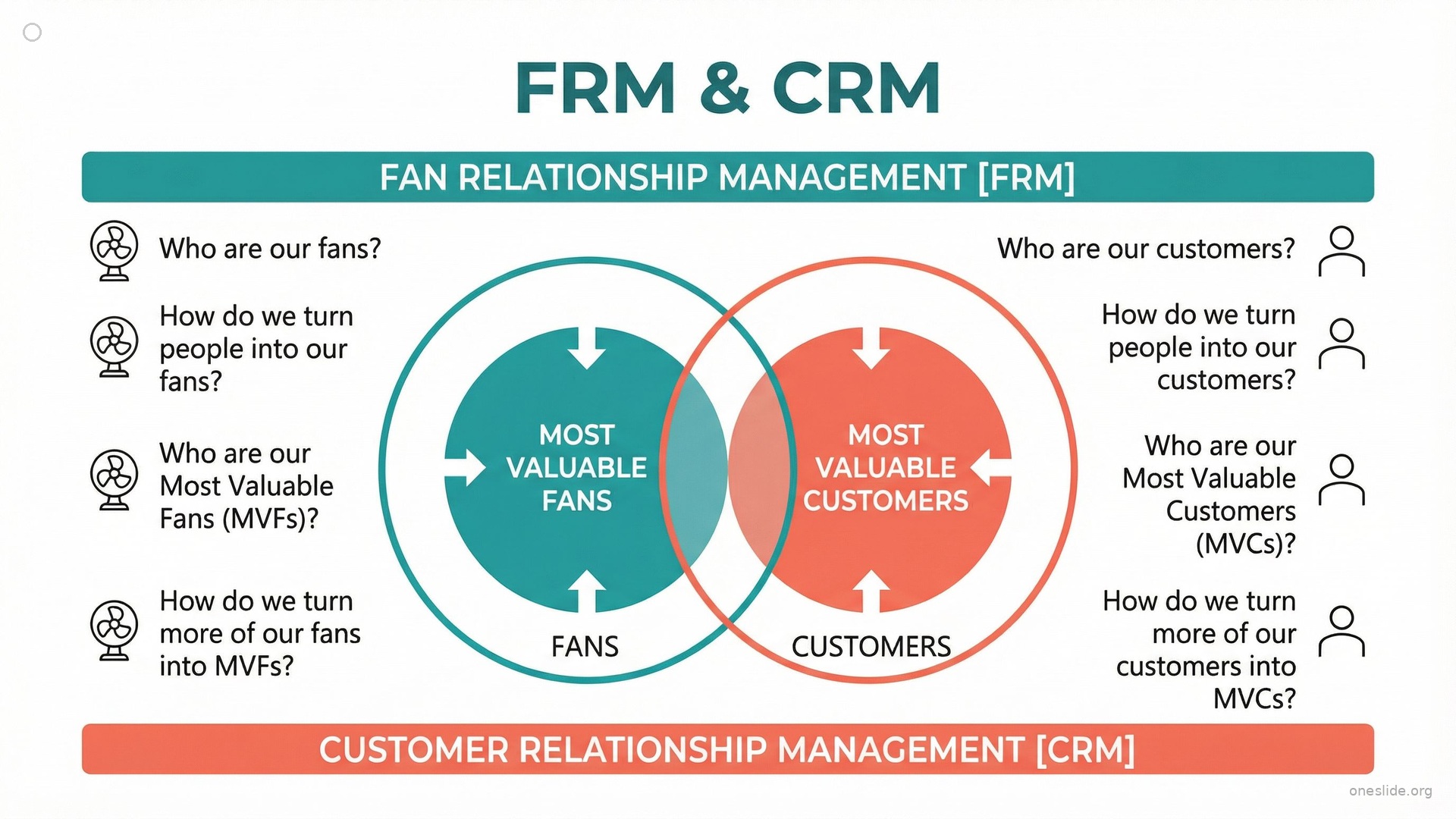
For any brand, Fans are different from Customers. Fans love and express their love publicly, while Customers buy. Two groups intersect, but not fully: not all your customers are your fans and not all your fans are your customers. Understanding this distinction reveals long-term strategic value.
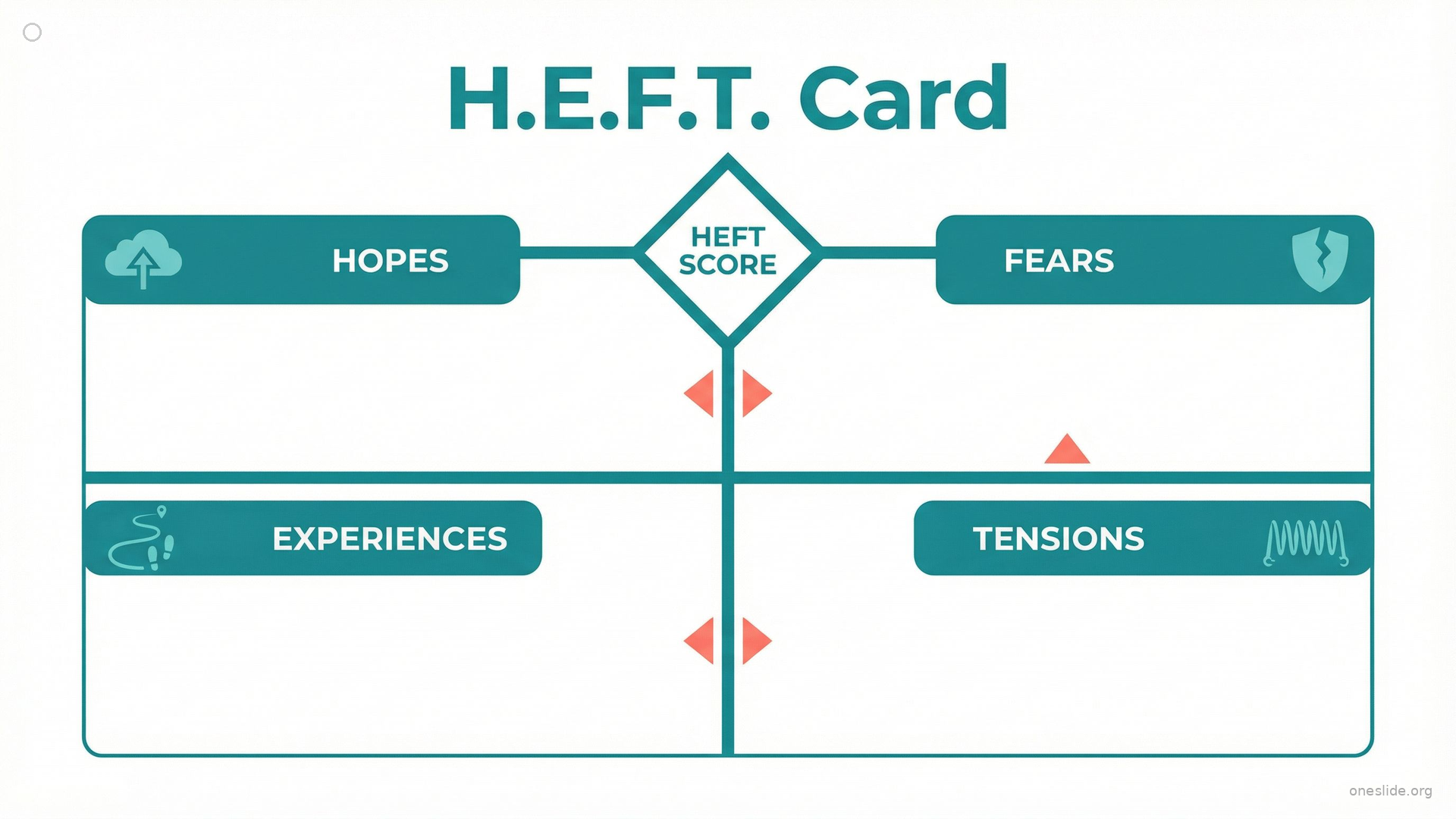
In order to design something — a brand strategy, a logo, or a beer can — we need to understand the people we are designing for. They are all different, but we group them in certain categories. HEFT helps analyze personas across four dimensions: Habits, Emotions, Fears, and Triggers.
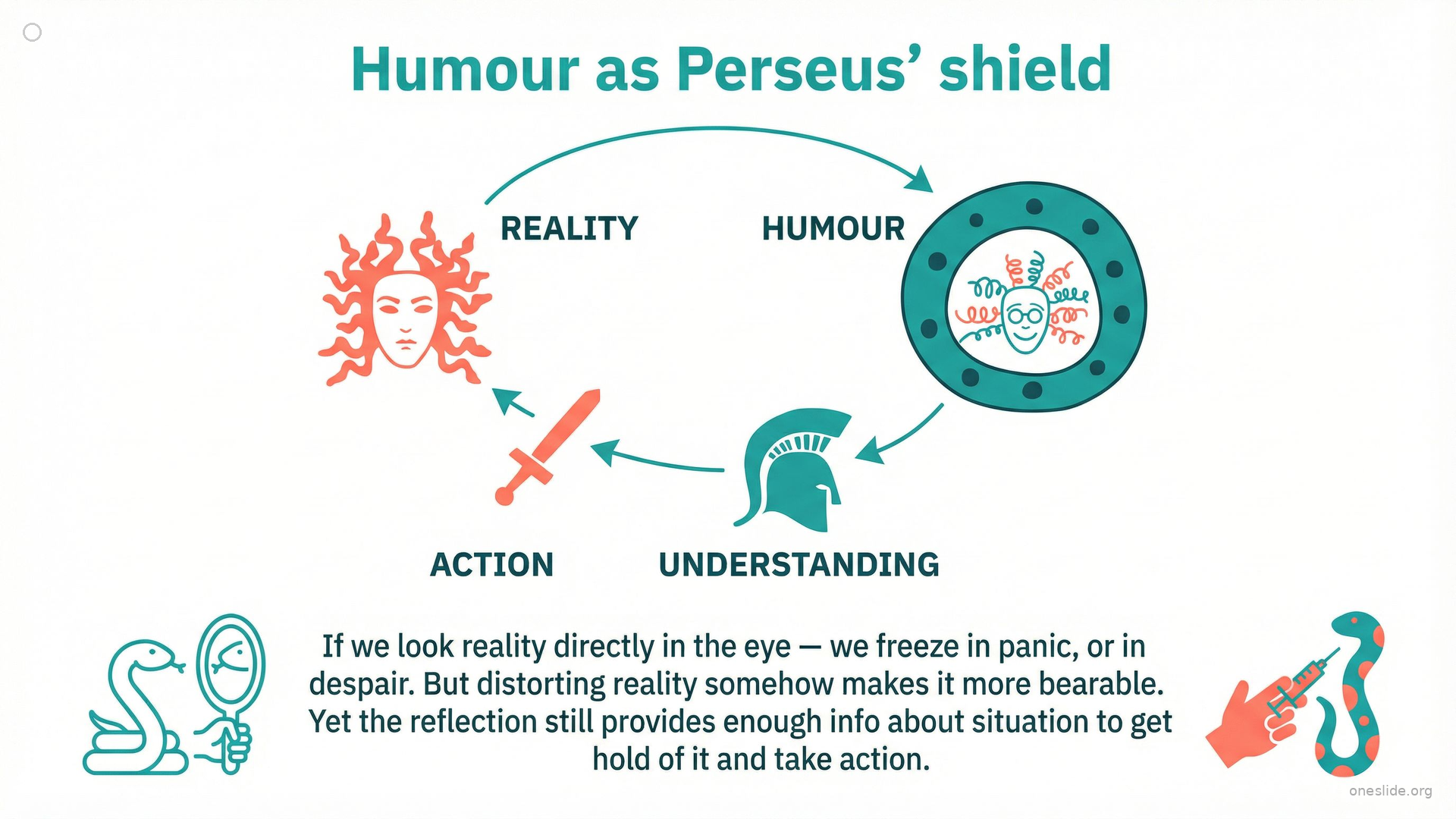
Sometimes if we look reality directly in the eye — we freeze in panic, or in despair. This is when the carnival mirror of humour comes handy. By distorting reality it somehow makes it more bearable. Yet the reflection still provides enough information about the situation for us to get hold of it and act.
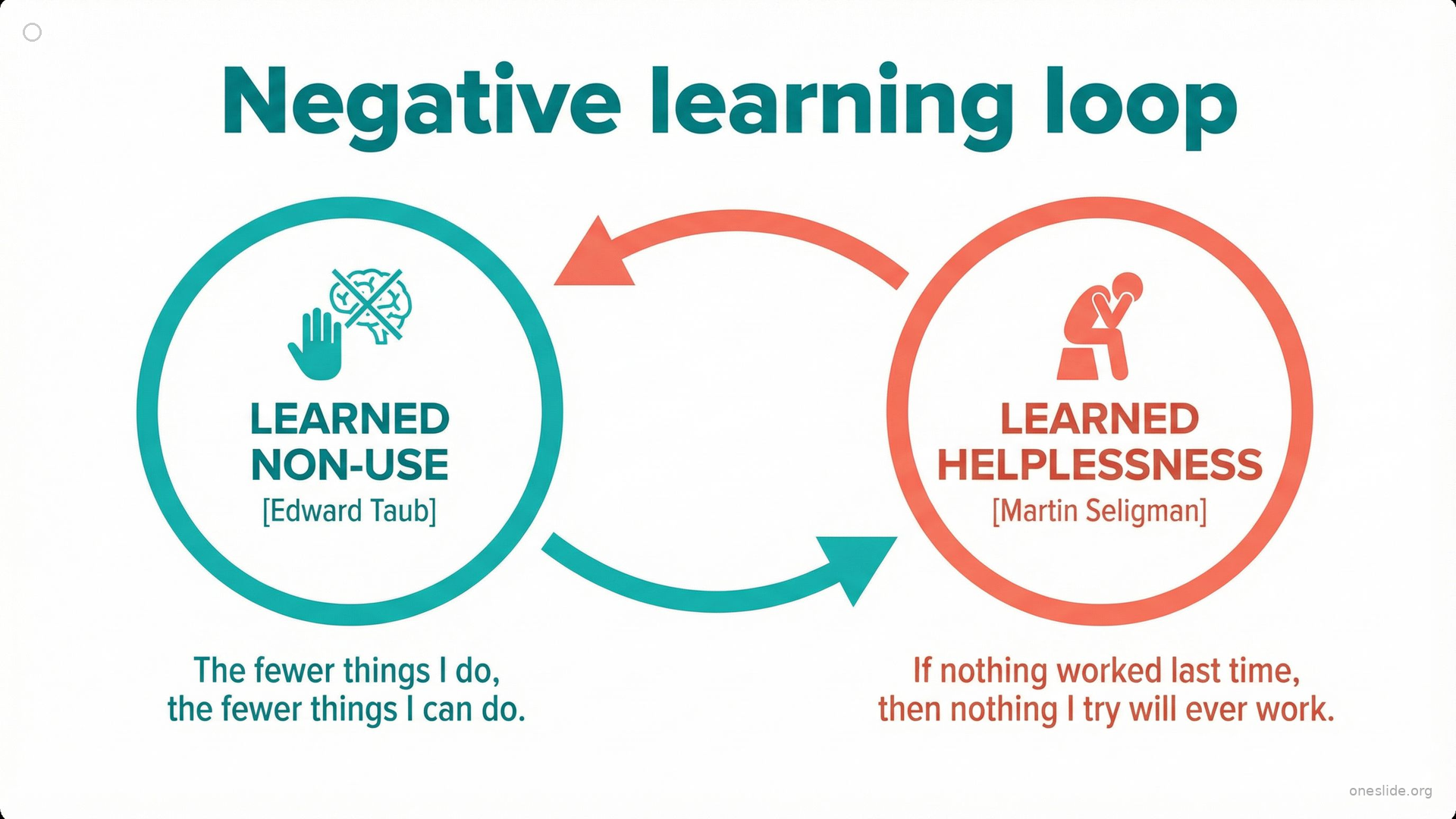
Learning is a fundamental ability of all living things. Unfortunately, this ability can do as much damage as good. Learned Non-use and Learned Helplessness — each damaging on its own, but when combined they form a truly awful self-reinforcing loop that may be one of the reasons why so many people never reach their true potential.
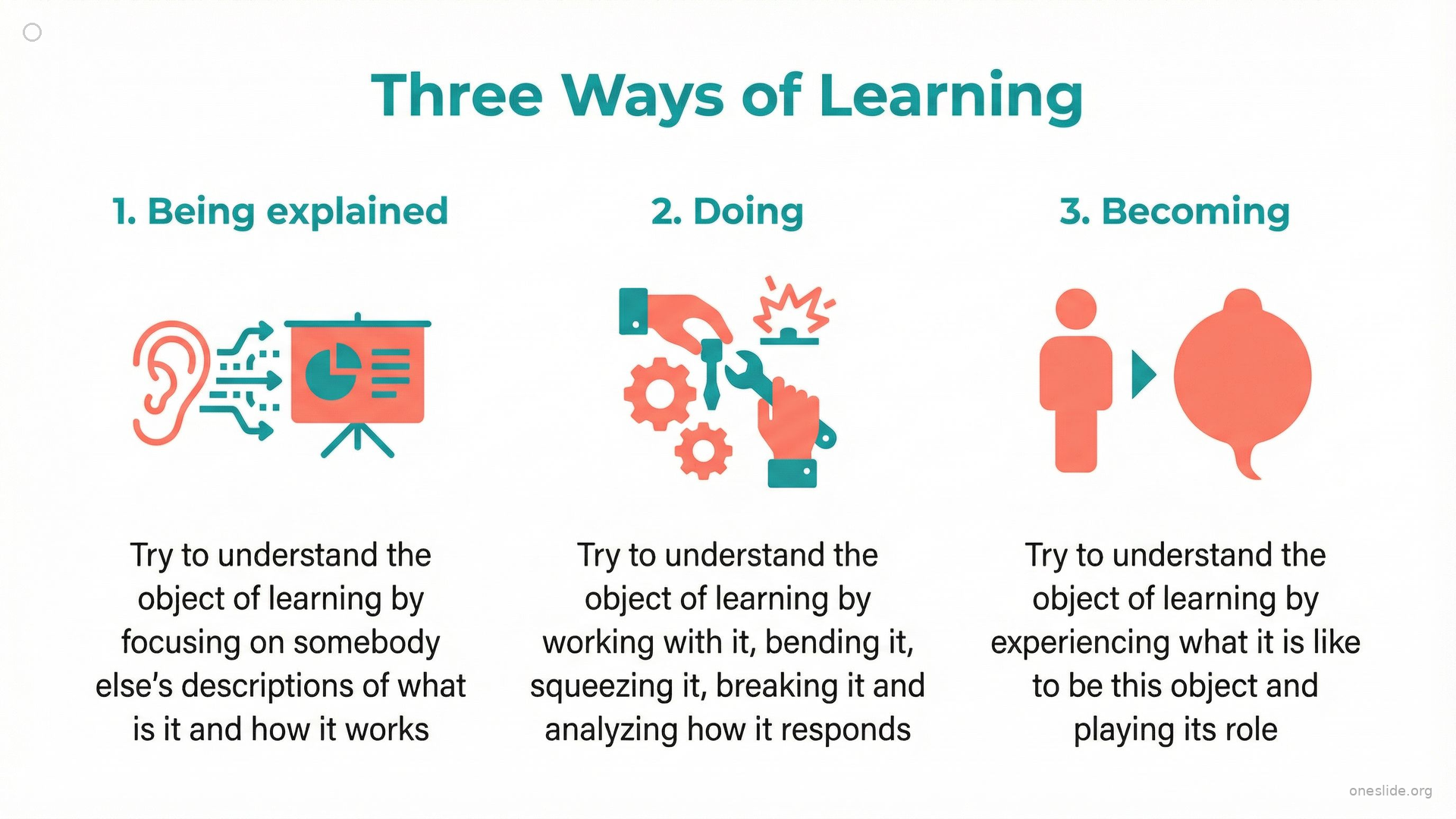
There are 3 fundamental ways of learning and classical education systems are disproportionately focused on two of them, ignoring the third, which is, in many ways, much more effective and can lead to deeper understanding. Learning by being explained, learning by doing, and learning by becoming — where you immerse yourself in the object of learning to develop deep, lasting intuitions.